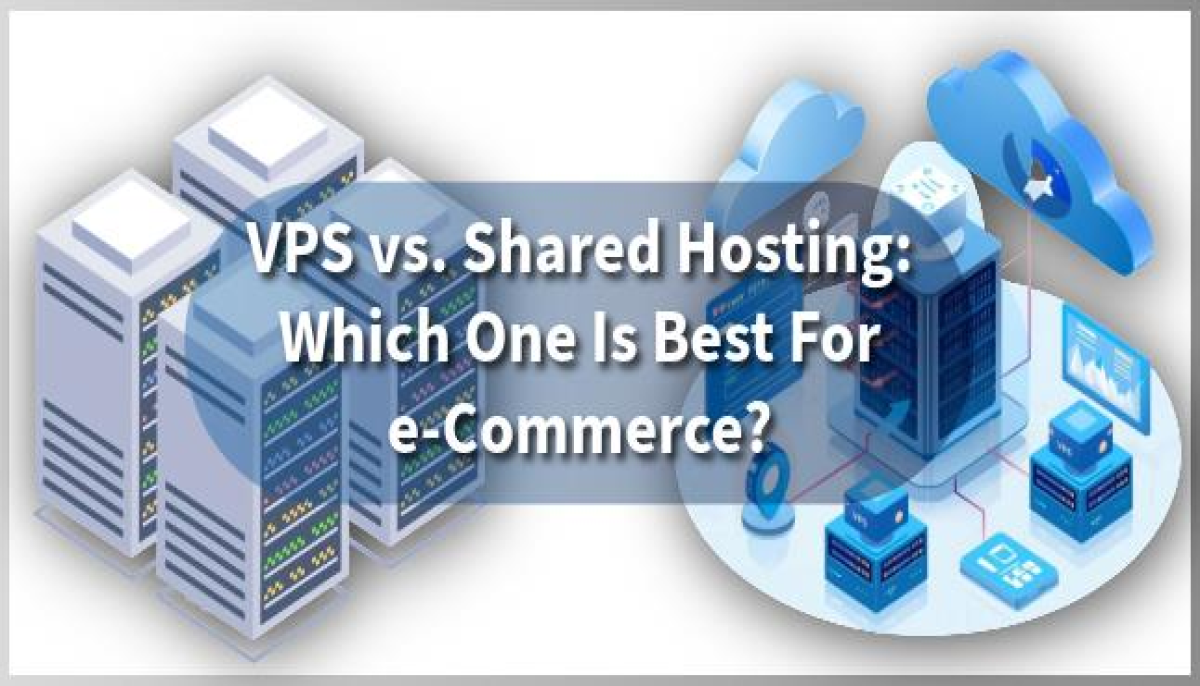
For eCommerce websites, a business-dedicated platform powers up online visibility and draws a bigger audience. Because online stores rely on speed, security, and uptime, so selection of a right hosting plan is crucial before launch. Hosting lays the foundation of an eCommerce site, impacting load times, payment security, and user experience. In VPS vs. shared hosting, VPS offers dedicated resources, stability, and control for developing stores. However, shared hosting is a budget-friendly option for startups but may affect performance limits during high traffic periods.
What is VPS hosting?
VPS hosting serves as an intermediary between shared hosting and dedicated servers. However, it deploys virtualization technology to produce environments within an individual physical server. Thus, it means you get dedicated resources and more control in the VPS hosting environment.
Features:
VPS hosting offers dedicated server resources. This gives constant performance without getting interrupted from other hosted websites.
VPS servers provide full root access. This allows complete control over server configurations and software installations.
This form of hosting provides enhanced performance stability via isolated environments and guaranteed resource allocations.
These servers improve security controls with custom firewalls, private environments, and configurable protection measures.
This type of hosting Supports flexible scalability. It enables easy upgrades of resources with the surge in website traffic.
What are the benefits of VPS hosting?
Dedicated Resources:
Users have complete access to their share of resources and get constant performance.
Scalability:
VPS hosting provides you with multiple options of scalability for your resources regarding your website requirements.
Powerful security:
Your environment is separated from other users, so there is security from cyber threats.
Customization:
VPS hosting offers you full root access, so the advanced configuration settings.
What are the drawbacks of VPS hosting?
Higher Cost:
VPS plans are more expensive than shared hosting, increasing cost for startups and businesses.
Technical Management:
VPS hosting needs server administration skills to manage updates, security, configurations, and performance tuning tasks.
Limited Scalability:
VPS resources have caps,limiting expansion during sudden traffic spikes for websites.
Security Responsibility:
Users have to tackle security patches and protections. This can increase risks if misconfigured over time.
Performance Variability:
Neighbouring VPS resources can still affect performance under high server loads at times.
What is Shared Hosting?
Shared hosting is the sharing of resources among multiple websites. Thus, different websites share the same server resources like CPU, RAM, and storage. This solution is usually the most economical and is ideal for small websites or blog posts.
Features of shared hosting:
Shared hosting is a budget-friendly option as server resources are apportioned among different websites simultaneously.
In shared hosting, user-friendly control panels like cPanel and Plesk facilitate website management and accessibility.
There is no need for technical expertise because the hosting provider manages updates, maintenance, and configurations.
Shared hosting leverages basic security measures, like SSL certificates and firewalls, to help safeguard websites from common threats.
This type of hosting is best for small websites or startups with low traffic, as it gives easy setup and management features.
Benefits of Shared Hosting:
Budget-friendly:
Shared hosting plans are often affordable, thus it is the best option for beginners and small-scale websites.
Ease of Use:
Most shared hosting providers give user-friendly control panels like cPanel. Therefore, it is easy for non-technical users to control and manage their websites.
Managed Services:
Shared hosting gives fully managed services. It means you do not have to worry about server maintenance or regular updates.
Drawbacks of Shared Hosting:
Restricted resources: As the resources are shared among diverse users, high traffic or power-intensive websites can be compromised due to slow performance.
Security threats: there is an increased risk of security concerns in shared hosting. If one website gets affected, then the rest of the sites will also have a bad impact.
Limited Customization: Users have limited access to server configurations; hence, it limits the capability to tweak performance.
A comparison of VPS vs Shared Hosting:
VPS vs. shared hosting: which one is a better option?
VPS hosting is the best option for eCommerce websites due to dedicated resources, stable performance, improved security, and scalability. Shared hosting is ideal for small startups with low traffic but gives slow speed, reliability, and trouble in handling high-volume transactions.
Closing words:
In the comparison of VPS vs. shared hosting, VPS hosting is ideal for those who want more flexibility, power, and security features for their growing websites. On the other hand,
shared hosting is best for those who have a limited budget and are planning to start new setups. Navicosoft helps you to select the right option regarding your ecommerce website needs and offers you complete options for VPS hosting.
FAQs:
When is the exact Time to Shift from Shared Hosting to VPS Hosting?
The perfect time to shift from shared hosting to VPS hosting happens when your website’s traffic volume starts to boost gradually.
How many websites can you host on VPS?
With VPS Hosting, there is not any restriction on the number of hosted websites. You can allocate the resources regarding your requirements.
Is shared hosting better for SEO?
Shared Hosting has an effect on your search engine rankings, particularly if you’re sharing your server with many spasm websites.