For local businesses desiring to get more customers in their area, the choice between Local SEO and Google Ads is a crucial one. This decision impacts both marketing expenses and results. Local SEO focuses on improving your website and Google Business Profile. So you can rank naturally in local search results. However, Google Ads gives instant paid exposure at the top of search results via targeted campaigns. In this blog, you learn the difference between the two to make an informed decision.
What is Local SEO?
It is a digital marketing agency strategy that improves a business’s online presence to get higher rankings in location-based SERPs. It aims at Google Business Profile enhancement, local keywords, citations, reviews, and map listings to grab close customers actively searching.
How Local SEO Works?
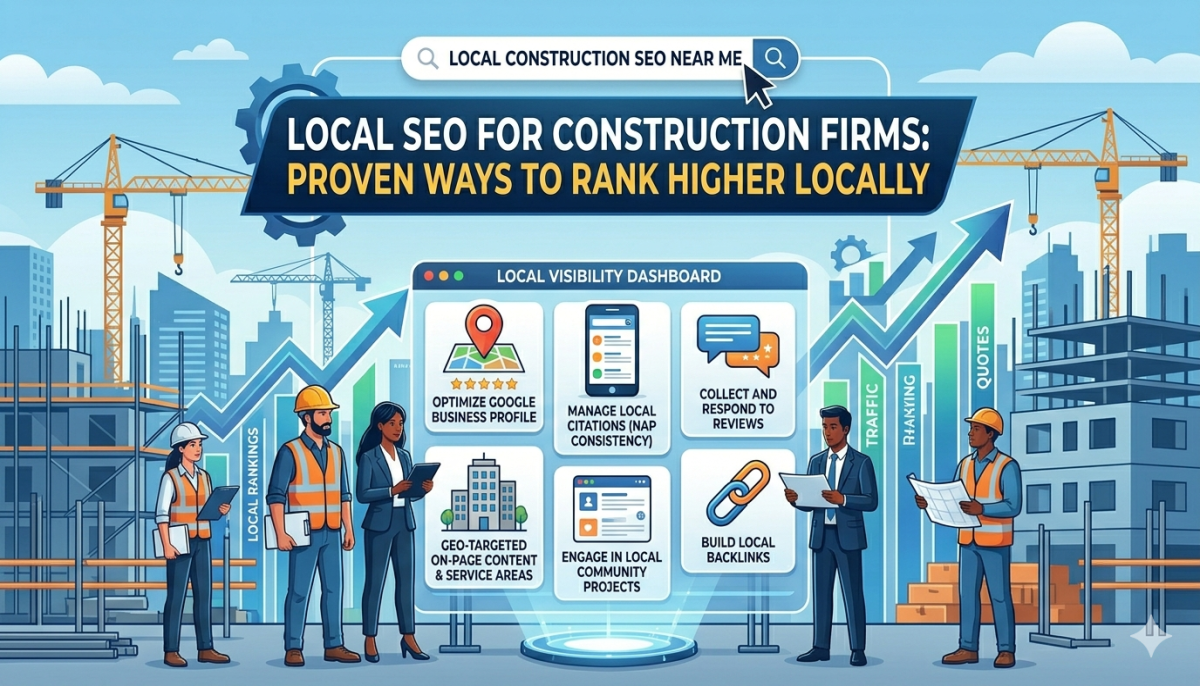
Local SEO works by improving your website and Google Business Profile to increase visibility in location-based targeted searches. It includes local keyword targeting, on-page optimization, NAP consistency, citation, review administration, and local backlinks. Search engines assess proximity, relevance, and importance to rank businesses in local maps and organic results.
Significant features of Local SEO:
Google profile optimization:
Local SEO enhances profile precision, categories, photos, posts, and engagement for better local visibility.Local keyword targeting:
Users can research and integrate location-based keywords to get high-intent nearby search traffic by leveraging local SEO.NAP consistency management:
Local SEO helps to maintain consistent name, address, and phone details across directories and citation channels.Online reviews and reputation:
Local SEO encourages customer reviews and typically responds strategically to develop credibility and trust.Local link building campaigns:
Location-based SEO gets relevant local backlinks to enhance authority and geographic search rankings.
Pros of Local SEO:
Affordable sustainable marketing strategy:
Users get long-term natural traffic without ongoing pay-per-click advertising cost demands.Higher visibility in local searches:
Local SEO helps to increase rankings within map packs and geographically targeted natural results.Develops an effective community:
By using local SEO, you get positive reviews and citations that strengthen brand credibility among close customers.Grabs high-Intent local customers:
Local SEO targets users actively who are searching for services within particular geographic areas.Increase mobile and voice search:
Local SEO improves presence for mobile users and voice-based local inquiries.
Limitations to local SEO:
Results need a certain time investment:
There is a drawback that organic rankings take time to improve, and often need months of constant optimization efforts.Highly competitive Local markets:
Due to the existence of a highly competitive local market, it gets tough with strong authority making top rankings on SERPs.Algorithm changes affect visibility:
Search engine updates can unexpectedly impact local rankings and traffic.Ongoing maintenance is crucial:
Profiles, citations, and content need constant monitoring and updates.
What are Google Ads?
This is a digital advertising channel designed by Google. This platform helps various businesses to show paid advertisements on SERPs, websites, and YouTube. Usually, advertisers bid on keywords and PPC, impressions, or conversions to get targeted audiences and drive quantifiable traffic.
How do Google Ads work?
Google Ads runs via an auction-based system where advertisers bid on chosen keywords. When users search on Google, ads strive for exposure on the basis of bid amount, quality score, and ad relevance. Top ads are shown in sponsored positions. So, advertisers typically pay per click, impression, or conversion that depend on campaign objectives.
Types of google ads for local businesses:
1. Search Ads:
Text-based ads that appear on Google search results when users type targeted local keywords.
2. Display Ads:
These are Visual banner advertisements that are shown across websites within the Google Display Network. These help to improve local brand awareness.
3. Local services Ads:
Pay-per-lead ads are made for service-based businesses. They are visible at the very top with security badges.
4. Google maps Ads:
These are the promoted listings that display within Google Maps results. These help to fetch nearby customers who are actively searching.
5. YouTube Ads:
Video advertisements are shown on YouTube to target local audiences by using geographic filters.
Advantages of Google Ads:
Quick search engine visibility:
Google Ads are visible instantly at the top positions of websites for targeted local keywords.Highly targeted audience reach:
These ads help to get advanced geographic, demographic, and device targeting and improve campaign accuracy.Flexible budget and bidding control:
Typically, advertisers regulate daily budgets, bids, and gross campaign spending.Quantifiable performance and analytics:
Google ads give complete standards to track clicks, conversions, expenditure, and ROI.Scalable marketing solutions:
These ads easily scale campaigns across different locations and service areas.
Limitations to Google Ads:
Constant advertising expenditure:
In Google Ads, there is demand for continuous spending. As traffic stops when the budget finishes.High-Cost keywords:
Popular local keywords can become costly. This raises cost-per-click considerably.Complex campaign management:
Proficient campaigns need a professional setup, monitoring, and optimization for the best outcomes.Short-Term visibility:
Google Ads stop generating traffic quickly once the campaign finishes.
Comparison of local SEO vs. Google Ads for local businesses:
Industry-Based Strategy Suggestions:
Service-Based Businesses (Plumbers, Electricians, Dentists)
Local SEO and Google Ads are helpful in attracting close clients that are looking for immediate professional services.Retail & E-commerce stores:
Tailored campaigns drive both online and in-store traffic. This increases local sales and brand visibility.Professional Services (Lawyers, Consultants)
Both Google Ads and local SEO foster reliability and fetch high-intent clients who are looking for certain expertise locally.Startups vs established businesses:
Startups get immediate exposure via Google Ads. Trusted brands deploy SEO for ongoing long-term visibility.
When to choose local SEO?
Long-term growth goals
Limited marketing budget
Building brand trust
Organic traffic priority
Competitive advantage locally
When to choose Google Ads:
Need immediate visibility and traffic
Promote time-sensitive offers or events
Target highly specific audiences precisely
Test marketing strategies quickly
Compete in highly competitive local markets
Wrapping up:
The selection between Local SEO and Google Ads relies on business objectives, budget, and timeline. Navicosoft helps businesses of every size locally in implementing both strategies effectively. This helps achieve long-term, consistent growth, targeted traffic, and high ROI on marketing investment.
FAQs:
1. What is the key difference between Local SEO and Google Ads?
Local SEO develops natural visibility over time, and Google Ads gives instant paid search exposure.
2. Which strategy is perfect for a limited marketing budget?
Local SEO is more budget-friendly. It needs only time and optimization rather than ongoing advertising expenditure.