Norway is a land of fjords, northern lights, and high living standards for immigrants. But if you’re a Muslim visiting, studying, or settling here, you might wonder: Can I live halal in Norway?
The answer is yes—with the right knowledge and tools, living halal in Norway is not only possible but becoming easier each year. This guide offers practical and effective tips to help you stay true to your faith, whether you're in Oslo, Bergen, or a remote town up north.
Muslim Life in Norway: An Overview
- Muslims make up about 4–5% of Norway’s population.
- Most are concentrated in Oslo, Drammen, Bergen, and Stavanger.
- Norway is a secular country, but religious freedom is protected.
- There are over 200 registered Islamic communities and mosques across the country.
Where to Find Halal Food in Norway?
Halal food is accessible in major cities, especially in multicultural areas of Oslo and Bergen. Tourists and Immigrants will find halal-certified restaurants, meat shops, and grocery stores.
Mustakshif App: Your Halal Living Companion in Norway
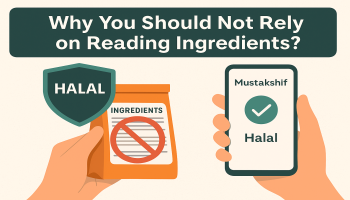
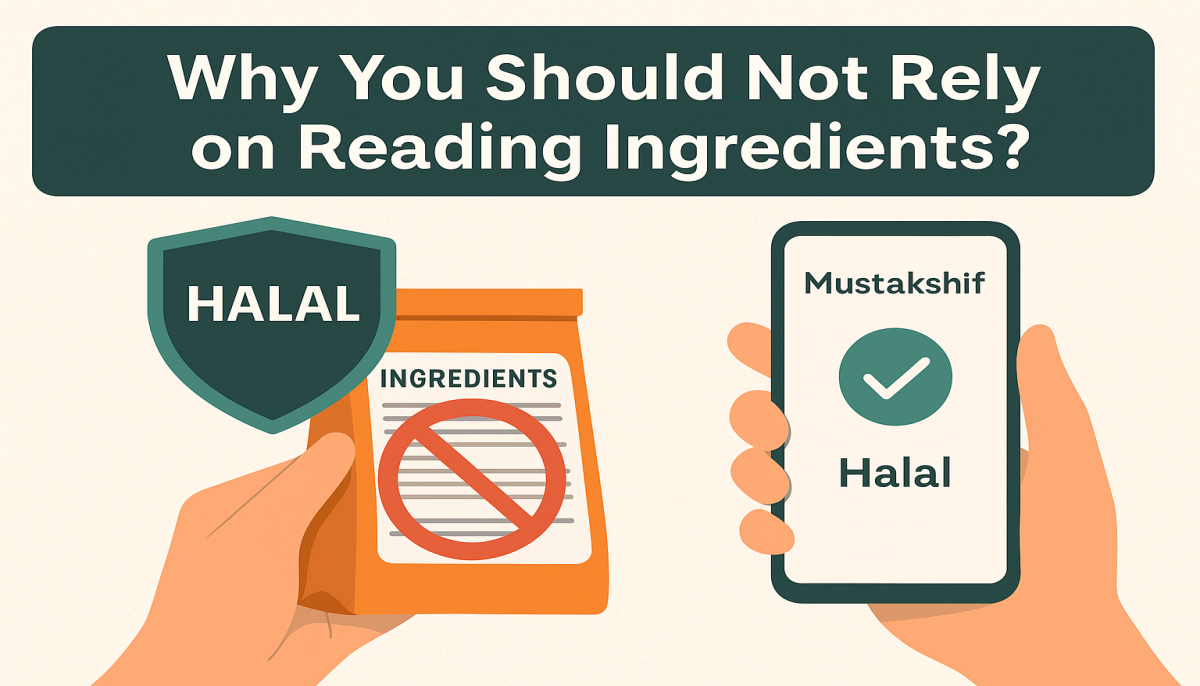
The Mustakshif halal scanner app is an essential tool for Muslims in Norway. It allows you to scan product barcodes in stores to check if food, drinks, cosmetics, or medications are halal.
Key Features:
- Barcode scanner to detect Halal / Haram items
- Translates ingredients from Norwegian into English
- Restaurant and takeaways locator
- Filter products by vegetarian, gluten-free preference
- Includes Qibla direction, Tasbeeh counter, daily prayer timings, and Islamic phrases
It’s especially helpful when you're unsure about a packaged product in Coop, Rema, or Meny and don’t understand the ingredient list.
Find Halal Places or Plan Your Business with Mustakshif
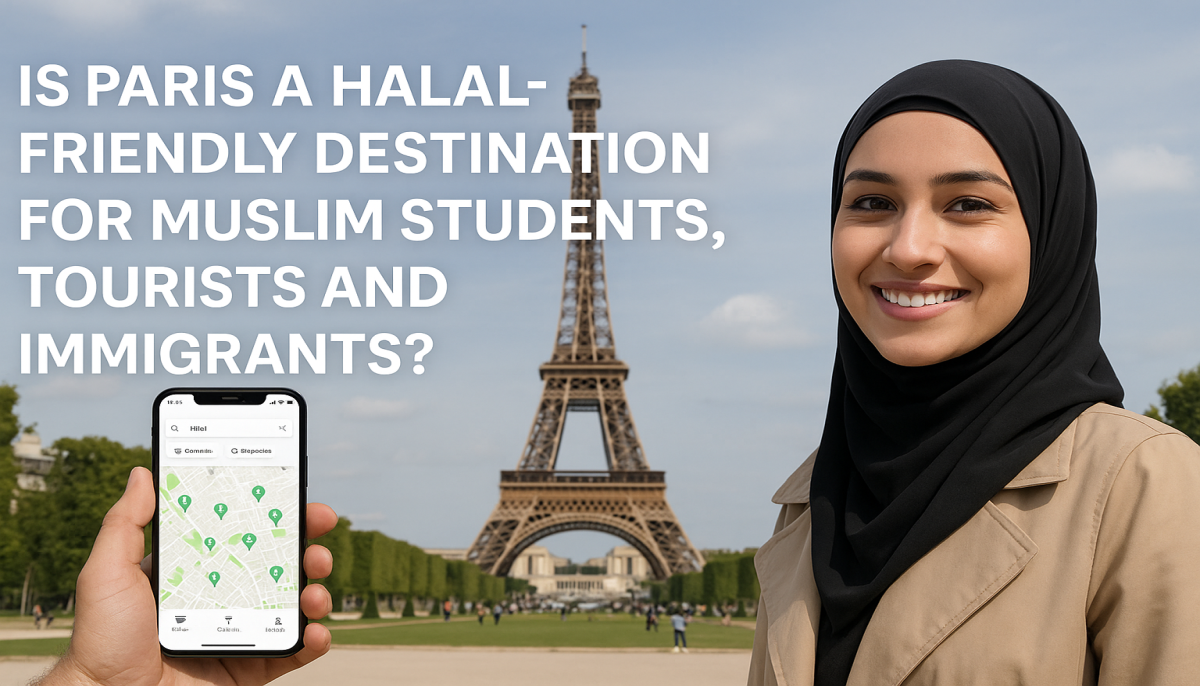
With Mustakshif’s “Halal Places near Me,” feature, you can instantly discover halal restaurants, grocery shops, mosques, and prayer spaces across Norway. Especially in cities like Oslo, Bergen, and Stavanger. Whether you're craving halal shawarma or need a nearby masjid before Maghrib, the app gives you verified listings complete with the following:
- Ratings and real user reviews
- Business hours and “open now” filters
- Cuisine type (Turkish, Indian, Somali, etc.)
- Alcohol-free indicators
- GPS directions with one-tap navigation
But Mustakshif doesn’t just serve travellers; it also helps aspiring halal business owners. By checking what users are searching for in real time, you can identify market gaps. For example:
- Are people searching for halal sushi but not finding it?
- Is there a demand for halal breakfast spots near a university?
- Are prayer spaces missing in a tourist-heavy area?
These insights can guide you to open the right business in the right location, based on actual halal demand. Whether you plan to start a restaurant, grocery shop, or prayer space, Mustakshif helps you build smarter with community needs in mind.
Top Halal Food Spots in Oslo:
- Kebab Palace – Popular Turkish-style fast food
- Shalimar Tandoori – Pakistani/Indian cuisine
- Habibi Restaurant – Arabic grill known for generous platters
- Der Peppern Gror – Halal Indian fine dining
Grocery Chains with Halal Sections:
- Grønland Frukt Og Grønt (Oslo)
- Bazaren Halal Supermarket
- International Food Market
- Some Rema 1000 and Coop Extra stores also carry halal meat in select areas
Look for “Halal” certification labels or Arabic/Turkish store names. In remote towns, vegetarian, fish, or frozen meals are safer options if halal meat isn’t available.
Where to Pray in Norway?
Mosques in Norway may not always be easily visible, but they’re active and welcoming. Most large cities have at least one or two mosques, and some also have Islamic cultural centres for immigrants.
Major Mosques in Oslo:
- Islamic Cultural Centre (ICC) – One of the oldest and most active
- World Islamic Mission (WIM) – Located in Grønland
- Central Jamaat-e Ahl-e Sunnat – Holds large Jumu’ah prayers
- Masjid Attaouba – Offers Quran classes and prayer space
Prayer at work or university:
Many universities and office buildings don’t have designated prayer rooms but students and staff can often request a quiet room for this purpose.
Here are some of the top universities in Norway:
- University of Oslo (UiO)
- Norwegian University of Science and Technology (NTNU)
- University of Bergen (UiB)
- Norwegian School of Economics (NHH)
- University of Tromsø – The Arctic University of Norway (UiT)
- BI Norwegian Business School
- Norwegian University of Life Sciences (NMBU)
- Oslo Metropolitan University (OsloMet)
Modest Fashion & Islamic Essentials
Where to shop for Islamic clothing in Norway?
- Grønland (Oslo) is the go-to neighbourhood for abayas, jilbabs, thobes, hijabs, and prayer wear
- Small shops in multicultural areas often sell Islamic books, prayer mats, perfumes without alcohol, and Qurans in Norwegian, Arabic, or Urdu
- Online stores like Modanisa, MuslimBuy, and Hijabista ship to Norway
Ramadan & Eid in Norway
Muslims Tourists and immigrants in Norway observe Ramadan with community prayers, iftars, and Taraweeh despite the long daylight hours in summer.
What to expect:
- Long fasting hours in summer (up to 20 hours in northern cities like Tromsø)
- Islamic centres usually follow Mecca-based timing for practicality
- Many mosques host community iftars and Taraweeh prayers
- During Eid, open-air or indoor prayers are held across mosques and parks
Norway’s Tourism: A Quick Look
Tourism is an important part of Norway’s economy. About 1 in 15 people works in the tourism sector, contributing 4.2% to the national GDP. Although it’s a seasonal destination, Norway has seen a growing rise in foreign visitors in recent years, which continues to strengthen its economic output.
Who Visits Norway?
Most tourists in Norway are Norwegians or Europeans, but international visits are growing steadily:
- Russia, USA: +35%
- South Korea: +37%
- Muslim-majority countries: Indonesia: 2.7%, Pakistan: 1.6%, India: 3.4%, Middle Eastern countries also contribute steadily
Halal Tourism in Norway
Halal tourism in Norway starts with a well-thought-out, Muslim-friendly itinerary. For practicing Muslims, it’s about more than sightseeing; it’s about keeping things halal, clean, and spiritually balanced.
What a halal-friendly trip to Norway can include:
- In-flight prayer arrangements
- Halal-certified restaurants and takeaway options
- Ablution-friendly restrooms
- Alcohol-free minibars in hotels
- Ramadan facilities for suhoor/iftar
- Hotels with staff trained in halal service culture
Norway’s tourism ecosystem is gradually adapting to these expectations especially in major cities and high-traffic destinations.
How to Get to Norway?
Traveling to Norway is straightforward, and there are several routes to choose from:
By Train: Norway is well-connected by rail to neighboring Sweden, and the Scandinavian rail network offers overnight journeys with sleeping compartments perfect for long-haul Muslim travellers looking to rest and pray in comfort.
By Flight: Oslo Airport is the country’s busiest entry point. Direct and affordable flights arrive here from across Europe, the Middle East, and Asia. Icelandair often offers a stopover in Reykjavik with no added cost, ideal for travellers looking to break up a long journey.
By Bus or Ferry: Bus lines like Eurolines connect Norway to cities in Denmark and Sweden. If you're arriving by boat, many cruise lines stop at scenic Norwegian ports like Bergen, Stavanger, Trondheim, and Oslo, especially near the fjords.
Top Tourist Attractions in Norway
Norway had over 8.68 million related searches in 2017, proof that its natural beauty attracts curious and active travellers from around the world. While some come for culture, most tourists want to experience the outdoors.
1. Røros: This ancient village is a UNESCO World Heritage Site centered on an old copper mining hamlet. With frozen lakes and rugged terrain, it offers a glimpse into traditional life and is great for winter travel.
2. Vøringsfossen: Known as Norway’s most famous waterfall, it drops 180 meters into a dramatic narrow valley. Located between Oslo and Bergen, this natural wonder is surrounded by steep gorges and mountain views.
3. Nordkapp (North Cape): If you want to experience the midnight sun, Nordkapp is the place. It offers unforgettable views, Arctic wildlife like puffins, and scenic hiking trails, all under the glow of a never-setting sun in summer.
Muslim Student Life in Norway
Norway’s universities are multicultural and supportive of international students.
At universities like Oslo (UiO), NTNU, or Bergen:
- Muslim student groups (MSAs) are active
- Prayer spaces may be offered upon request
- Halal food can be found near campuses
- Many students gather for iftars or Eid prayers within campus communities
Legal Rights & Religious Freedom for Immigrants
- Hijab is a legal and widely accepted
- Halal slaughter is allowed with veterinary supervision
- Burqa and niqab are not banned, but full face coverings may attract attention in rural areas
- Islamic marriages must be legally registered with Norwegian authorities to be recognised
- Freedom to observe religious practices is protected by law
Some political or media debates around Islam do exist, but daily life remains largely safe and welcoming for practicing Muslims.
Common Challenges Muslims Immigrants May Face
- Limited halal options in remote areas
- Long fasting hours in summer
- Social bias in less diverse regions
- No prayer rooms in many public buildings
- Difficult ingredient labels for non-Norwegian speakers
Despite these, Muslims in Norway live peacefully and maintain their lifestyle with dignity.
Where Can Muslims Find Halal Restaurants in Norway?
Halal restaurants are mainly found in Oslo, with a few options in Bergen and Stavanger. In Oslo’s multicultural areas like Grønland, you’ll find:
- Mehfel Restaurant – Indian cuisine, rated 4.6/5
- Gazakjøkken – Shawarma and falafel, rated 4.6/5
- Zam Zam – Takeaway favourite, rated 4.8/5
- Saray Restaurant – Turkish dining, rated 4.3/5
What Traditional Norwegian Dishes Are Halal?
Most traditional dishes use pork or alcohol, but there are halal-friendly versions:
- Fårikål (mutton stew) – Halal if meat is certified
- Pinnekjøtt (lamb ribs) – Can be halal if sourced properly
- Brunost (brown cheese) – Usually halal by default
Still, it’s safer to ask or stick to halal international cuisines.
How Do Norwegian Halal Certifications Work?
The Islamic Council Norway (ICN) is the main halal certifier. It oversees restaurants, butchers, and producers to ensure Shariah compliance. Certified businesses display the ICN halal logo. Other halal labels from UK or German bodies are also accepted for imported goods.
Are There Halal Food Options in Norwegian Supermarkets?
Yes. Large chains like Meny, Coop, and Rema 1000 carry halal meat and products—especially in Muslim-dense areas. The brand Alfathi by Nortura is a trusted halal meat line available across Norway. You’ll also find:
- Halal pizza toppings
- Sausages and hamburgers
- Ready meals
Specialty halal stores and HalalMat (online grocery service) also deliver across the country.
What Are the Challenges for Halal Food Availability in Norway?
- Rural areas have limited halal access
- Higher costs for halal meat due to production requirements
- Small stores may lack halal labels, so always verify the ingredients
- Restaurants outside cities may not cater to halal diets
Is Norway a Muslim-Friendly Country?
Yes, especially in cities. You’ll find:
- Halal food options in restaurants
- Prayer facilities in some public spaces
- Mosques and Islamic centres
- General respect for religious freedom
However, visible Islamic practices may feel less common in rural areas. Social attitudes toward hijab vary, but legally it is allowed.
Is Norway Safe for Muslims?
Norway is one of the safest countries in the world. While occasional Islamophobic incidents do happen, hate crimes are rare and condemned by law. Muslims can practice their religion freely, and many participate in public life, dialogue events, and civic initiatives.
How Does Norway Regulate Halal Slaughter?
Halal slaughter must follow Norwegian law, which requires animals to be stunned before slaughter. Though different from some traditional Islamic views, the Islamic Council Norway (ICN) has approved methods that balance religious and animal welfare standards.
The brand Alfathi (by Nortura) follows these procedures, and its products are widely trusted by the Muslim community.
Do Norwegian Cruise Lines and Hotels Cater to Halal Diets?
Yes, some do with advance notice:
- Royal Caribbean offers halal meals
- P&O Cruises provides limited halal options
- Fred Olsen Cruises can accommodate halal requests
Hotels in Oslo and Bergen may offer halal breakfast or meal options if you inform them at booking. When unsure, opt for vegetarian dishes or bring packaged halal food.
Final Thoughts
Norway might not seem like an obvious halal destination at first, but it quietly supports a growing, organised Muslim population. From Oslo’s busy halal streets to Eid prayers in Bergen, the country offers both space and freedom to practice your faith. And with tools like the Mustakshif App, staying halal here becomes smarter, faster, and easier.