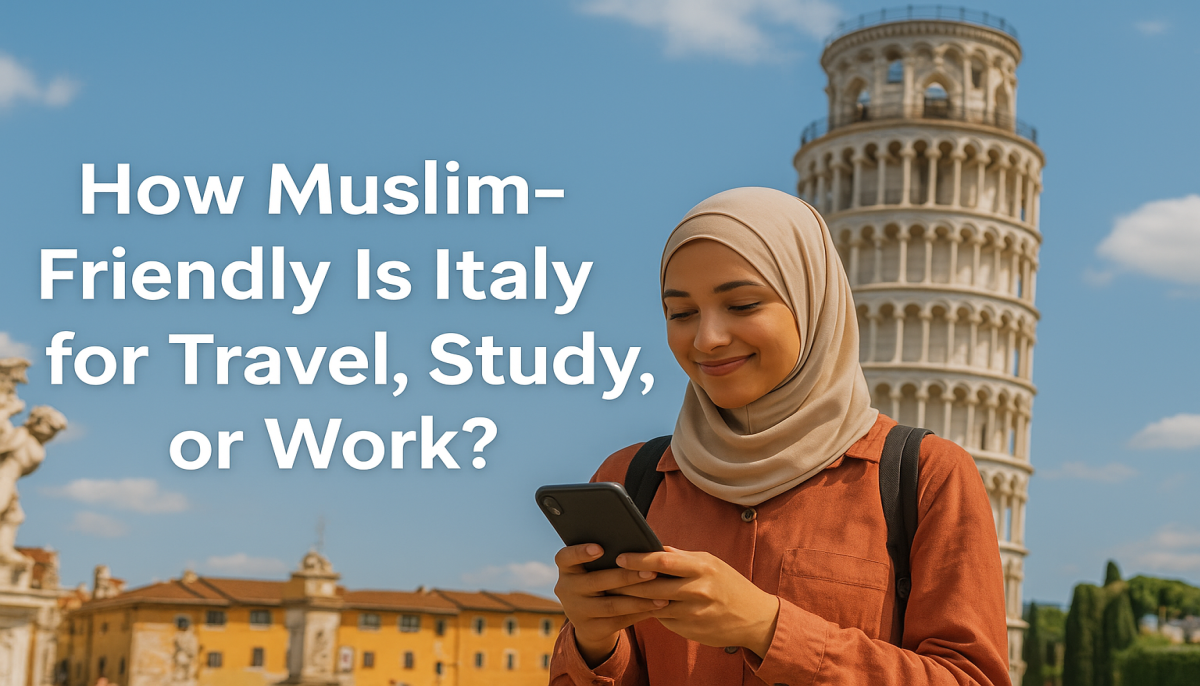
Italy sits at the heart of southern Europe, surrounded by the Mediterranean Sea and sharing borders with countries like France, Austria, and Switzerland. Known for its historical cities, culinary culture, and artistic heritage, Italy also plays a key role as a gateway between Europe, North Africa, and the Middle East. According to the most recent data from Pew Research and national reports, Italy is home to over 2.5 million Muslims, making Islam the second-largest religion in the country. Whether you're a student joining top universities in Rome or Milan, a professional immigrant for work, or a tourist exploring historic cities, it’s possible to live Halal in Italy with some planning and the right tools. This blog helps you with exactly that covering:
· Where to find Halal food in cities like Rome, Milan, and Naples
· How to locate prayer spaces and mosques across Italy
· Using the Mustakshif app to simplify Halal living
· Tips for Muslim students, immigrants and international travellers
· Insights into Muslim-owned businesses and cultural communities
· Navigating public life while staying true to your faith
Let’s explore how you can comfortably practise your values while enjoying everything Italy has to offer.
Is Italy Muslim-Friendly?
Italy has a long and complex history with Islam, stretching back to the days of Arab rule in Sicily. While it's a predominantly Catholic country, today’s Italy is home to over 2.5 million Muslims, many of whom are from North Africa, South Asia, and the Balkans.
Living Halal in Italy can be done though, it comes with a few challenges. Halal food and prayer places are easier to find in big cities, while smaller towns might require more effort. Fortunately, tools like the Mustakshif app make it much simpler to locate Halal options across the country.
Daily Life in Italy: What to Know
Italy is known for its strong food culture, relaxed pace of life, and close-knit communities. Here are some essentials for Muslims immigrants settling or travelling here:
- Language: Italian is the main language, though many people in cities speak some English. Learn basic Italian phrases for smoother interactions.
- Weekends: Most shops close by 8 PM and may shut entirely on Sundays. Plan ahead, especially during Ramadan or prayer times.
- Dress: Modest dress is welcomed in all major cities. Hijab is commonly seen and accepted, especially in diverse neighbourhoods.
Finding Halal Food: Where and How
Italy’s traditional cuisine includes a lot of pork and wine, but Halal food is still widely available, especially in urban centres.
Rome and Milan: Best Spots for Halal Eats
Both cities host a wide variety of Halal-certified and Muslim-owned eateries. Some notable ones include:
- Rome: Ali Babà Ristorante – Via Carroceto, 97 (Arabic, Mediterranean)/Himalaya's Kashmir – Via Principe Amedeo, 325 (Pakistani/Indian)
- Milan: Aladino Halal – Via Achille Maiocchi, 30 (Middle Eastern)/Nilo’s Kebab & Curry – Viale Monte Nero, 60 (South Asian and Halal fast food)
Look for Arabic or Urdu signage or simply ask, “È halal?” (Is it Halal?). Many restaurants display Halal certificates or symbols near the counter.
Mustakshif App: Your Halal Guide in Italy
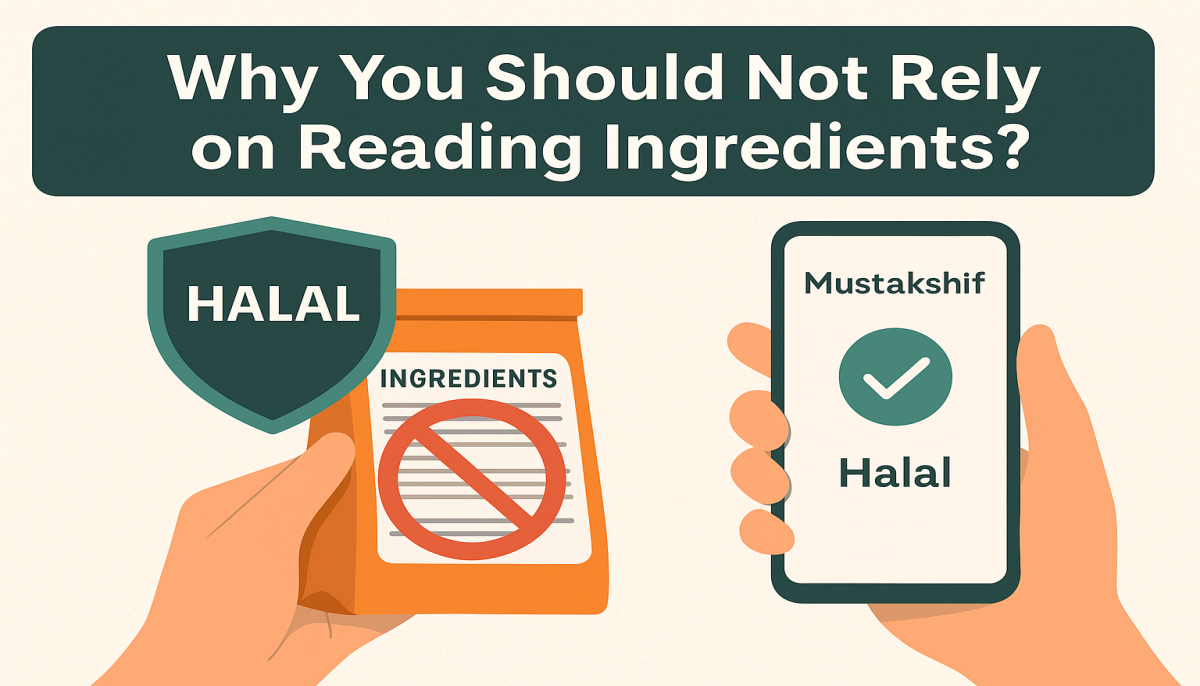
The Mustakshif app is a halal scanner or reliable tool for Muslims living in or visiting Italy. Whether you're looking for Halal biryani in Milan or a prayer space in Naples, it helps you find the right place fast.
Here’s what you can do with Mustakshif:
- Scan barcodes at Italian supermarkets and find out if the product is Halal or Haram.
- Search Halal restaurants by location, cuisine, or open hours.
- Locate mosques, prayer areas, and Islamic centres in unfamiliar areas.
- Read reviews by other Muslims and leave your own feedback.
- Sort listings based on distance, certification, or services like dine-in, takeaway, or prayer space availability.
Product Scanner Feature
Scan any packaged product and get instant results. Here's how Mustakshif classifies items:
| Label | Meaning |
| Haram | Contains pork, alcohol, or non-Halal meat. |
| Vegetarian | No animal products but not Halal-certified. |
| Kosher | Following Jewish dietary laws—can sometimes be acceptable. |
| Gluten-Free | Useful for dietary needs, though not an indicator of Halal status. |
This feature makes shopping stress-free, especially in local Italian stores where labels are in Italian.
Find Halal Places near Me in Italy
If you’re unsure where to find Halal options in Italy, the Mustakshif app makes it easy. Just open the app, hit “search Halal places near me,” and you’ll see a list of nearby Halal restaurants, takeaways, cafes, and grocery shops. Whether you're craving Turkish kebabs, Chinese noodles, or Lebanese grills, the app helps you find it fast.
You can also sort results by what matters to you, like “open now,” “certified Halal only,” “delivery available,” or by cuisine type. For example, if you're in Milan and want only open Pakistani spots within 5 km, the app shows you matching places in seconds. Each listing includes opening hours, contact details, directions, and user reviews, so you know what to expect before visiting.
Planning to Start a Business?
If you’re thinking of opening a Halal café, butcher shop, or takeaway in Italy, Mustakshif offers valuable insight into:
- Gaps in cuisine types (e.g., few Turkish options in Florence).
- Areas with high demand but few Halal listings.
- Real-time reviews that help you identify what locals love or miss.
This real-time data helps immigrants make smarter business decisions based on what’s actually missing or in demand.
Where to Pray? Mosques and Islamic Centres
Mosques aren’t as abundant as in some other European countries, but they do exist, especially in major cities.
Key Mosques to Know
- Rome: Grande Moschea di Roma – One of the largest mosques in Europe. Offers Friday prayers, Arabic classes, and interfaith events. Located at Viale Della Moschea, 85.
- Milan: Centro Islamico di Milano e Lombardia – Via Padova, 144. A community space with daily prayers, weekend classes, and Ramadan programs.
- Naples: Moschea Piazza Mercato – Centrally located, offering Jumu’ah and daily prayers.
In smaller towns, prayer spaces might be tucked inside ethnic grocery stores or behind restaurants. Ask the staff; they’ll usually guide you kindly.
Student and Work Life for Muslims
Many Muslims come to Italy for university or employment. While Halal options on campus are limited, there’s often an active Muslim student group to help new arrivals.
What Students Can Expect:
- Informal prayer spaces on campus or nearby.
- South Asian or Arab stores close to student housing.
- Weekly meetups for iftar or discussions during Ramadan.
- Cultural societies at universities like Sapienza (Rome), Politecnico di Milano, and the University of Bologna.
Top Universities and Colleges in Italy for Muslim Students, Tourists, and Immigrants:
- Sapienza University of Rome: One of the largest universities in Europe, offering diverse student support, including prayer spaces and multicultural student organisations.
- University of Milan (Università degli Studi di Milano): A leading institution in Italy with a strong focus on inclusivity, offering facilities for Muslims such as prayer rooms and halal food options.
- Politecnico di Milano: Known for its excellence in engineering and design, this university also provides cultural support for Muslims, including nearby mosques and halal restaurants.
- University of Bologna: The oldest university in the Western world, offering a range of services for Muslims, such as prayer areas and halal dining options.
- University of Naples Federico II: A top university in southern Italy with a diverse student body and nearby halal food options and mosques for Muslims.
- Luiss University (Rome): A private university offering modern educational facilities and student clubs for Muslims immigrants, as well as prayer spaces and cultural events.
- Ca' Foscari University of Venice: A well-regarded university with multicultural initiatives, including support for Muslims in terms of food, prayer facilities, and cultural integration.
- University of Florence: Known for its cultural heritage and historical significance, it offers resources for Muslims, including Halal food access and prayer spaces.
These universities and colleges provide ample support for Muslim students, helping them maintain their faith while studying in Italy.
If you’re cooking at home, many Halal butchers are located in multicultural suburbs like Tor Pignattara (Rome) or Via Padova (Milan).
Community Life and Events
Islamic cultural activities in Italy are growing every year. You’ll find events around Islamic art, heritage, and language at venues such as:
- Casa delle Culture (Rome) – Hosts exhibitions and workshops on multicultural living.
- Museo delle Civiltà (EUR, Rome) – Features artefacts from Islamic Spain and North Africa.
- Community Eid events – Check Facebook or WhatsApp groups linked to local mosques for prayer locations and iftar gatherings.
How to Get Around
Italy has an extensive public transport system. Trains, metros, and buses connect most cities. Apps like Trenitalia and ATAC (Rome) help plan your routes.
Tip for prayers on the move: Always carry a small prayer mat and use Mustakshif to find the nearest quiet location. Many Muslims also pray in parks or near scenic viewpoints during travel.
Is Italy Ready for Halal Tourism?
Italy is globally celebrated for its art, architecture, and food, drawing millions of tourists each year. Yet, when it comes to Halal tourism (a quickly rising segment of the global travel industry), the country still has a long way to go. While travellers admire Italy for its natural beauty and heritage, Muslim tourists often find it challenging to maintain their religious lifestyle during their stay. The lack of dedicated services such as Halal dining options, prayer spaces, and culturally aware hospitality limits the country’s appeal to this valuable demographic.
Recent research from institutions like the University of Turin highlights an urgent need for a more inclusive hospitality strategy. Italy, despite its strong tourism sector, has not yet built a structured network that supports Muslim travellers. This has kept the country out of the top 10 in the Global Muslim Travel Index (GMTI), which ranks destinations based on factors such as Halal food availability, mosque access, and cultural sensitivity. In contrast, neighbouring countries like Germany and France have made significant progress, offering Muslim-friendly services that are now attracting a growing number of visitors.
Halal Travel Market: A Missed Opportunity
The Halal travel sector is no small niche. It was valued at over $220 billion before the pandemic and continues to grow. Muslim tourists often travel with families, stay longer, and spend more on food and cultural experiences. This makes them an economically attractive group. Italy, with its world-famous landmarks and deep historical ties with Islamic civilisation, is well-positioned to benefit—if it takes the right steps.
What’s Holding Italy Back?
While Halal food can be found in large cities, it remains limited and scattered. Many restaurants are unaware of Halal dietary requirements, and prayer spaces in public areas or hotels are rare. In addition, language barriers, especially the lack of Arabic-speaking staff, make it harder for Muslim tourists to feel at ease.
Cultural misunderstandings also play a role. Service providers often lack training or awareness about Muslim customs, which can unintentionally create uncomfortable situations for guests. For example, serving alcohol during a meal without asking, or offering spa services without modesty considerations, may alienate some travellers.
What Italy Can Learn from Its Neighbours
Countries like Germany and France are paving the way in Halal tourism. In Berlin, Halal restaurants and prayer spaces have become common, and staff in key areas are trained in cultural sensitivity. In Paris, Muslim-friendly services are widely available, and Halal dining options are even part of mainstream food apps. These examples prove that small adjustments in hospitality can go a long way in attracting a loyal and growing tourist segment.
Why Now Is the Right Time?
The post-pandemic era offers Italy a fresh chance to rethink and improve its tourism approach. Today’s travellers are more conscious of where they go and how they are treated. Cleanliness, health measures, and cultural accommodation are now priorities. If Italy integrates Halal services into this new tourism mindset, it can build trust and attract long-term loyalty from Muslim travellers.
There’s also a growing demand for sustainable and responsible travel, and Halal tourism often aligns well with those values. By offering eco-conscious, ethically-run Halal accommodations and food services, Italy can meet both religious and lifestyle needs.
Practical Steps for a More Inclusive Hospitality Sector
To build a Halal-friendly travel experience, Italy needs to:
- Train hospitality staff in cultural awareness and respectful service
- Create more Halal food options in mainstream dining spaces
- Include prayer facilities in airports, hotels, and attractions
- Offer multilingual support, especially in Arabic, Urdu, and Turkish
- Collaborate with local Muslim communities to ensure authenticity
- Promote Halal-certified businesses with clear, visible standards
Government and tourism boards should also invest in marketing campaigns that highlight existing Halal services and encourage more businesses to meet Muslim travellers' needs.
Final Advice for Halal Living in Italy
While Halal living in Italy comes with its own set of challenges, it’s far from impossible. With patience, local connections, and tools like Mustakshif, immigrants can enjoy life here while staying true to their values. Whether you’re sipping mint tea in Rome, enjoying a kebab in Milan, or praying in a quiet corner of Florence, you’re never alone in your journey.