Is a Vegetarian product Halal?
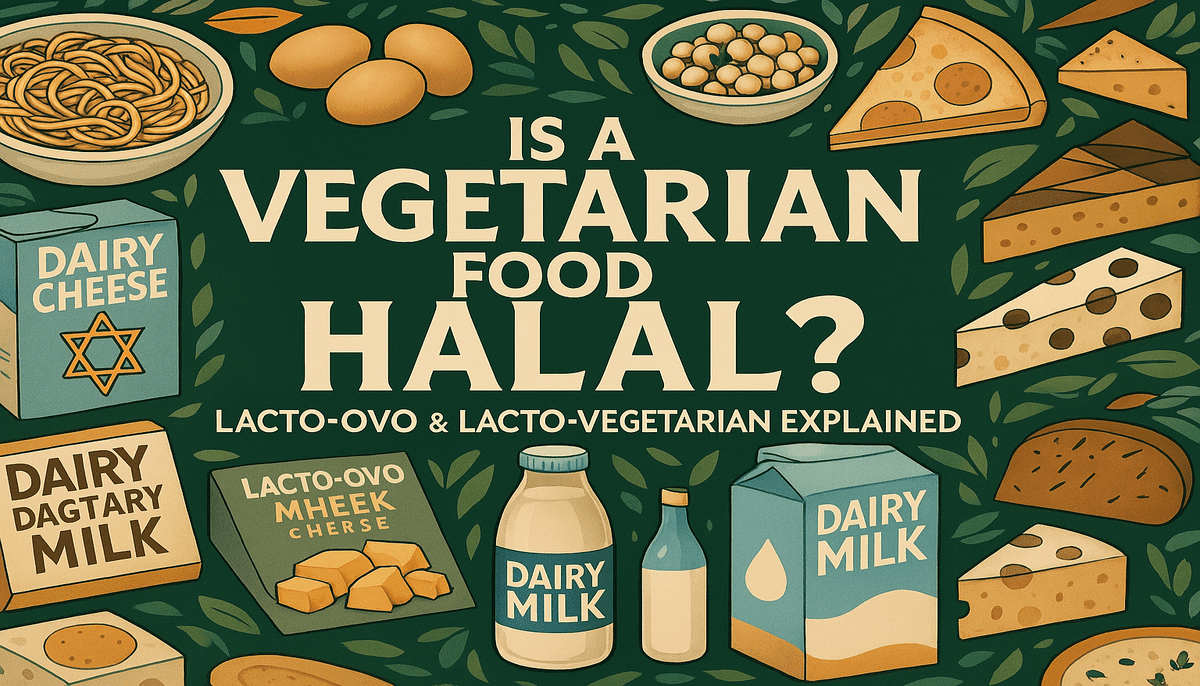
In today's world of diverse dietary practices, vegetarianism has evolved to include several variations. Among these are the Lacto-Ovo Vegetarian and Lacto Vegetarian diets, both of which cater to specific preferences regarding the inclusion of animal byproducts. For Muslims who are health-conscious and observe halal dietary laws, understanding these diet types and their nuances can help maintain religious dietary standards while adhering to a vegetarian lifestyle.
What is a Lacto-Ovo Vegetarian Diet?
A Lacto-Ovo Vegetarian diet includes dairy products (lacto) and eggs (ovo) alongside a wide variety of plant-based foods but excludes meat, poultry, and seafood. Eggs are often incorporated as a protein source, while dairy products like milk, cheese, yogurt, and butter add additional nutrients and flavors. This diet is popular among vegetarians who seek the health benefits of plant-based foods while including nutrient-dense animal byproducts for their versatility and nutritional value.
What is a Lacto Vegetarian Diet?
In contrast, a Lacto Vegetarian diet excludes all forms of animal flesh, including meat, poultry, seafood, and eggs, but includes dairy products. Individuals following this diet gain proteins primarily through dairy products, legumes, nuts, seeds, and whole grains. The diet emphasizes vegetables, fruits, and other plant-based foods, making it suitable for those who prefer to avoid eggs while still consuming dairy.
How Does the Lacto-Ovo Vegetarian Diet Differ from the Lacto Vegetarian Diet?
The primary distinction between the two diets is the inclusion of eggs. Lacto-Ovo Vegetarians consume eggs, while Lacto Vegetarians do not. For those concerned with halal dietary compliance, this difference is significant as it may impact ingredient selection, meal preparation, and ethical considerations around the sourcing of eggs.
Halal Concerns for Muslims Following a Lacto-Ovo Vegetarian Diet
For a Muslim who follows a Lacto-Ovo Vegetarian diet, certain ingredients may pose concerns. Key issues revolve around the sources of enzymes, such as rennet and lipase, used in cheese production, as well as other ingredients that could potentially compromise halal compliance.
Enzymes from Halal Sources
Since the diet includes dairy products, it is important to verify the processing methods of milk, cheese, yogurt, and other dairy products, as they may use enzymes in their preparation.
- Rennet and Lipase: Rennet, traditionally derived from the stomach lining of ruminant animals, and lipase, an enzyme aiding in fat breakdown, are commonly used in cheese production.
- Halal Compliance: For Muslims, these enzymes should come from halal-slaughtered animals or be sourced from microbial or vegetable origins to maintain compliance.
- Microbial Rennet: The use of microbial rennet, which is derived from non-animal sources, is often seen as a suitable substitute.
- Verification: Many cheeses in the market still contain animal-derived enzymes, making it essential for Muslims to verify halal certification before consumption.
Hidden Animal Byproducts
The Lacto-Ovo diet could potentially include products with animal-based additives like gelatin, which is often derived from pork or non-halal sources.
- Common Use: Gelatin is commonly used as a thickener in yogurts, custards, and other dairy-based desserts.
- Halal Alternatives: Muslims should opt for vegetable-based or fish-based gelatin or confirm that the gelatin is from halal-certified sources. Agar-agar, a seaweed-based gelling agent, is a common alternative.
Alcohol in Food Production
- Common Usage: Alcohol is often used as a solvent or preservative in flavor extracts and processed foods, including some dairy products and sweets.
- Halal Compliance: Some vegetarian foods may even use alcohol as an active ingredient, raising halal-suitability concerns.
- Solution: Muslims should verify food labels and seek guidance from halal certifying bodies.
Insect-Derived Additives (e.g., Carmine)
- Carmine, also known as cochineal extract, is a red dye derived from crushed insects and is commonly used in processed foods to achieve a bright red or pink color in yogurts, candies, and desserts.
- Halal Compliance: Since it is insect-derived, it does not meet halal requirements.
- Alternative Options: Muslims seeking halal compliance should avoid products with carmine, opting instead for natural plant-based coloring agents like beetroot extract or anthocyanins.
Resolution: Ensuring Halal Compliance
While Lacto-Ovo Vegetarian and Lacto Vegetarian diets do help exclude meats, poultry, and other animal ingredients, they should not be automatically considered halal suitable. For such diets or products advertised as Lacto-Ovo Vegetarian or Lacto Vegetarian to be halal compliant, ensure that:
- They do not contain animal-derived enzymes in their production.
- They do not use alcohol as an active ingredient.
- They do not have any insect-based coloring or ingredients.
- Look for suitable halal certification on products before consumption.
How Mustakshif App Can Help
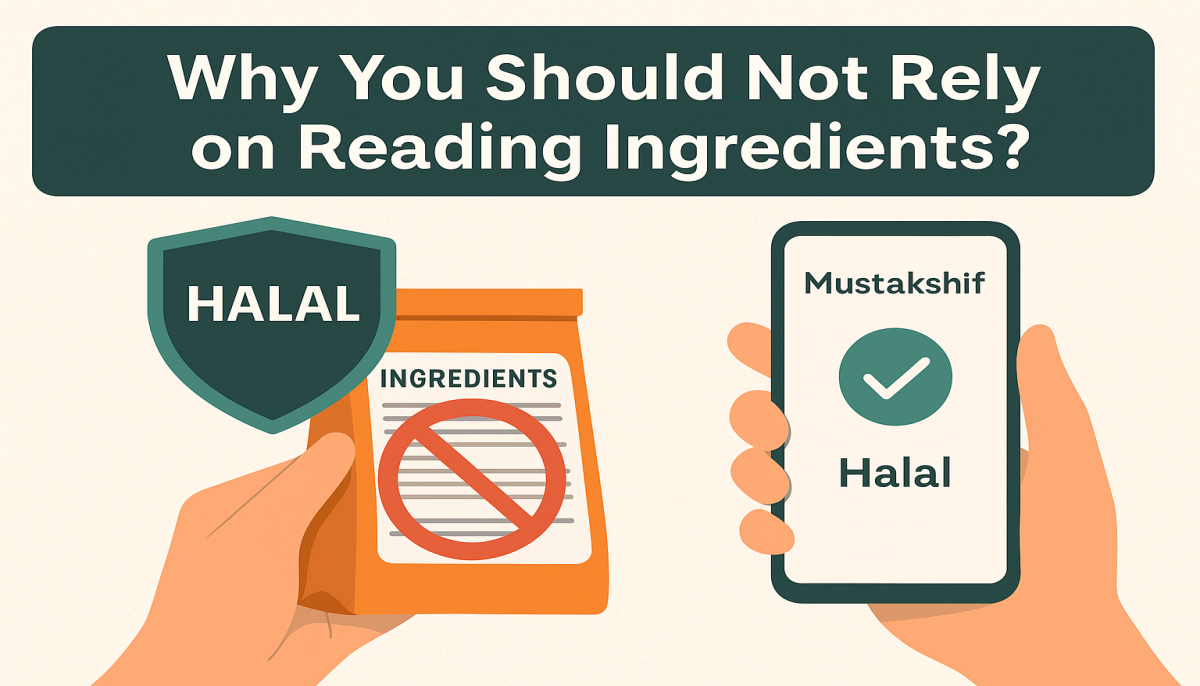
Given the complexity of verifying halal compliance in vegetarian products, the Mustakshif app serves as a valuable tool for consumers. This app helps Muslims navigate the confusion surrounding different versions of vegetarian products by directly contacting manufacturers to clarify ingredient sources.
- Ingredient Verification: Mustakshif checks whether enzymes, additives, and processing methods comply with halal standards.
- Manufacturer Confirmation: The app reaches out to manufacturers to confirm whether a product labeled as vegetarian is also halal suitable.
- User-Friendly Database: Users can search for various food products and get clarity on their halal status, avoiding uncertainty in their diet.
By using the Mustakshif app, Muslims can make informed dietary choices while ensuring that their vegetarian food selections align with halal requirements.
This article has been developed with insights from IlmHub Canada, operated by Mufti Faisal Al-Mahmudi to ensure accurate information for the Muslim community.