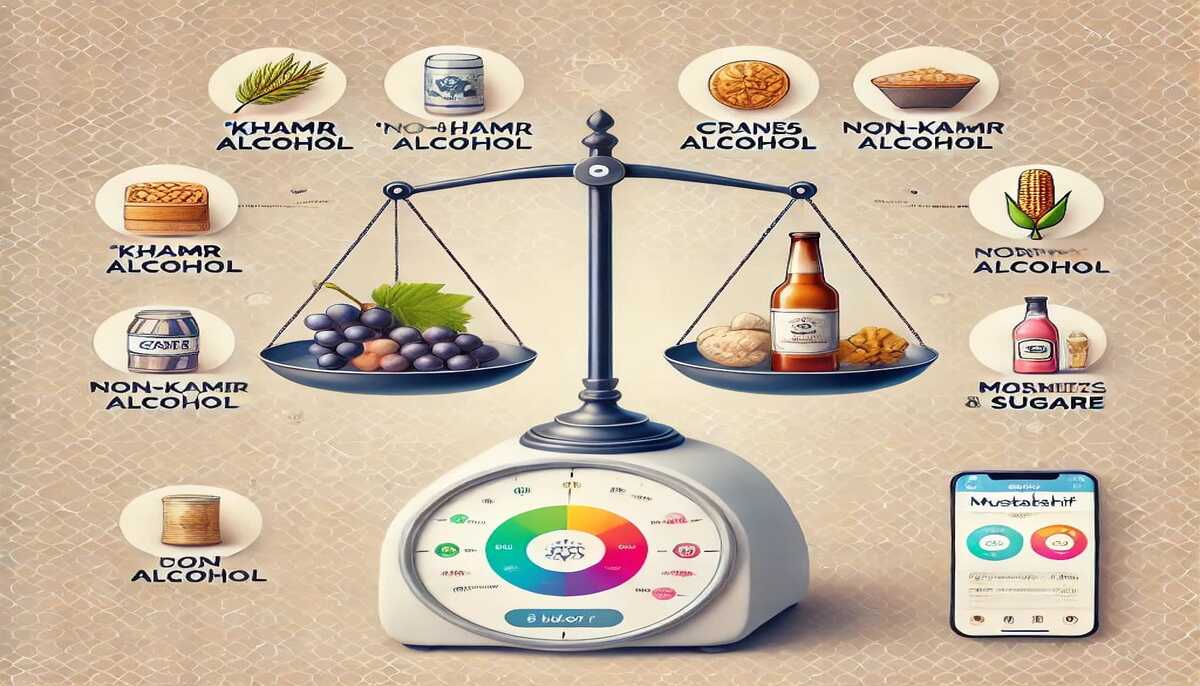
The permissibility of alcohol in consumer products has been a topic of discussion among scholars and consumers alike. According to the Hanafi school of thought, not all alcohol follows the same ruling, especially when present as an inactive ingredient in products like cosmetics, food, and medicines. Understanding the distinction between Khamr alcohol (from grapes or dates) and Non-Khamr alcohol (from other sources such as corn, wheat, and sugar) is crucial in determining its permissibility in Islam.
Understanding Non-Khamr Alcohol
Islamic jurisprudence classifies Khamr alcohol as completely impermissible, as it originates from grapes or dates and is associated with intoxication. However, Non-Khamr alcohol, which is derived from sources like corn, wheat, and sugars, does not carry the same ruling under Hanafi fiqh. When used in small quantities as a solvent or emulsifier, it does not render the final product impure (najis) or impermissible (haram).
Conditions for Permissibility
For Non-Khamr alcohol to be considered halal, the following conditions must be met:
Not Used for Intoxication – The alcohol should not be consumed to get intoxicated.
Not Used in Vain or Futile Activities – It should not be used merely for recreational or wasteful purposes.
Not at an Intoxicating Level – The quantity used must be so minimal that it does not cause intoxication.
Alcohol in Industrial and Consumer Products
In industries such as food production and cosmetics, alcohol is commonly used as a solvent, preservative, or emulsifier. However, extensive research has shown that industrial alcohol primarily comes from synthetic sources, corn, or wheat, rather than fermented grapes or dates.
For instance, in Canada, official government sources indicate that industrial alcohol is predominantly derived from corn and wheat. Similarly, in the United States and Australia, the industrial norm follows the same pattern. This means that most of the alcohol found in consumer products is classified as Non-Khamr alcohol, which aligns with the Hanafi stance of permissibility in small, inactive amounts.
According to IlmHub and research conducted by Mufti Faisal al-Mahmudi, industrial alcohol usage does not typically involve the fermentation of grapes or dates for industrial applications. This aligns with the view that non-Khamr alcohol, when used in minuscule amounts as solvents, does not impact a product's halal status.
Challenges in Determining Alcohol Sources
One of the difficulties in verifying the source of alcohol in products is that manufacturers are only required to disclose whether the alcohol is of natural or synthetic origin. They are not obligated to specify whether it is derived from raisins, grapes, or dates.
Adopting an assumption that all alcohol in products comes from prohibited sources would impose unnecessary hardship (haraj) and limit the availability of permissible products.
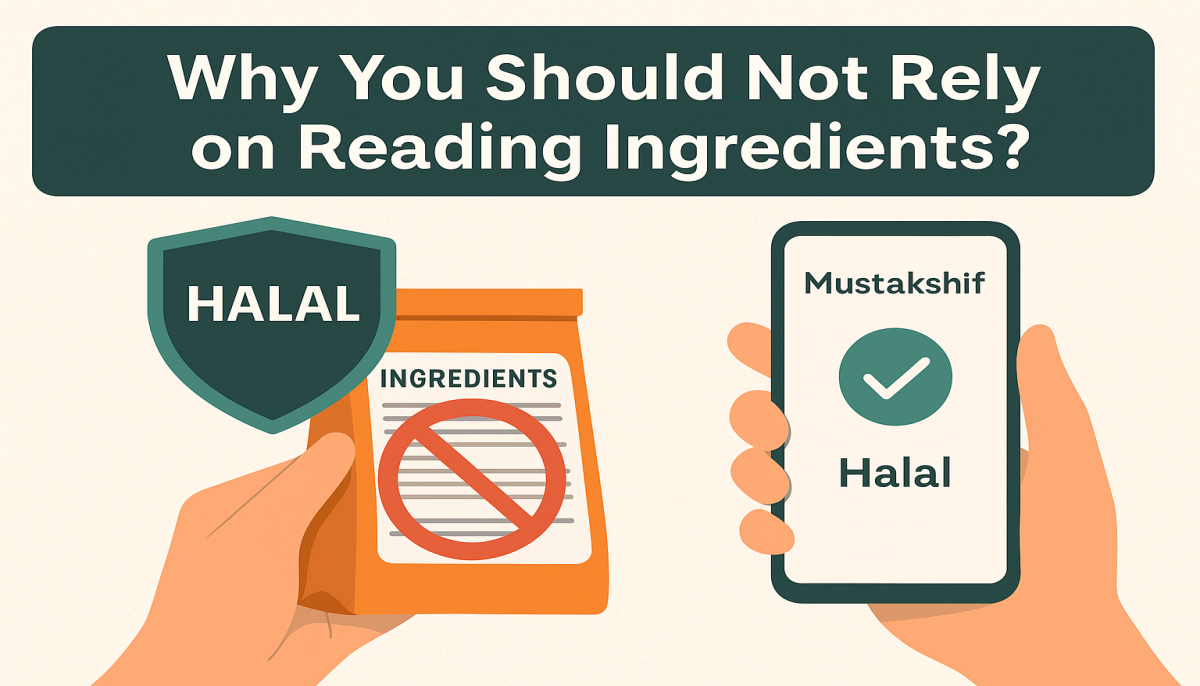
Because of this uncertainty, alcohol in consumer products is often categorized as mushbooh (doubtful) until the source is verified halal and the quantity is confirmed to be below the allowable threshold limit. The Mustakshif app serves as a valuable tool for consumers to verify the halal status of products by providing insights into ingredient sources and their compliance with Islamic dietary laws.
Conclusion
In light of the prevailing industrial practices and Islamic legal principles, alcohol present in consumer products as an inactive ingredient, when derived from synthetic, corn, or wheat sources, is considered permissible in Islam. This ruling remains valid unless new evidence suggests otherwise.
For consumers who seek to ensure their purchases align with Islamic guidelines, verifying the source of alcohol through trusted halal certification bodies, scholarly opinions, and digital tools like the Mustakshif app can provide further reassurance.
This stance is supported by IlmHub and the research of Mufti Faisal al-Mahmudi, whose studies indicate that most industrial alcohol does not come from Khamr sources, making it acceptable in limited quantities for non-intoxicating uses.