Is Artificial Flavour Halal?
In today’s food industry, artificial flavours are widely used to enhance the taste of various products. For consumers adhering to halal dietary laws, it's essential to understand the nature of these additives and their compliance with halal standards. Additionally, being aware of how different countries regulate artificial flavours can provide further insight into their consumption.
Understanding Artificial Flavours
Artificial flavours are synthetic compounds designed to mimic natural tastes. For example, an artificial mango flavour is created using chemicals from non-organic sources to replicate the taste of real mangoes.
Mufti Faisal al-Mahmudi from ilmHub in Canada explains that artificial flavours, being chemically formulated without inherently containing non-halal substances, are considered halal suitable. However, discussions continue in nutritional science regarding their health implications, which is separate from their halal status.
Regulatory Perspectives on Artificial Flavours
Understanding how artificial flavours are regulated in various countries can offer additional assurance regarding their safety and acceptability:
Australia and New Zealand
In 2002, Australia and New Zealand revised their regulations, removing the distinction between natural and artificial flavours. This means that both types are evaluated under the same safety standards. All additives undergo thorough safety assessments before approval for use in these countries. It's noteworthy that some additives permitted in Australia and New Zealand are banned elsewhere, not necessarily due to safety concerns but possibly because manufacturers haven't sought approval in those regions.
United States
In the U.S., flavourings are regulated under Title 21 of the Code of Federal Regulations, which differentiates between artificial and natural flavourings. Both types must meet safety standards set by the Food and Drug Administration (FDA) before they can be used in food products.
United Kingdom and European Union
The UK and EU have comprehensive regulations governing flavourings. In the EU, Regulation (EC) No 1334/2008 outlines the general requirements for the safe use of flavourings, providing definitions for various types, including artificial ones. Post-Brexit, the UK retained this legislation with minor adjustments to fit its legal framework. All flavourings and their constituents must be safe under general food law, and certain flavourings require a safety evaluation before authorization for use in food.
Germany
As a member of the EU, Germany adheres to the EU's regulations on flavourings. Therefore, artificial flavours in Germany are subject to the same stringent safety assessments and authorizations as in other EU countries.
How the Mustakshif App Can Assist
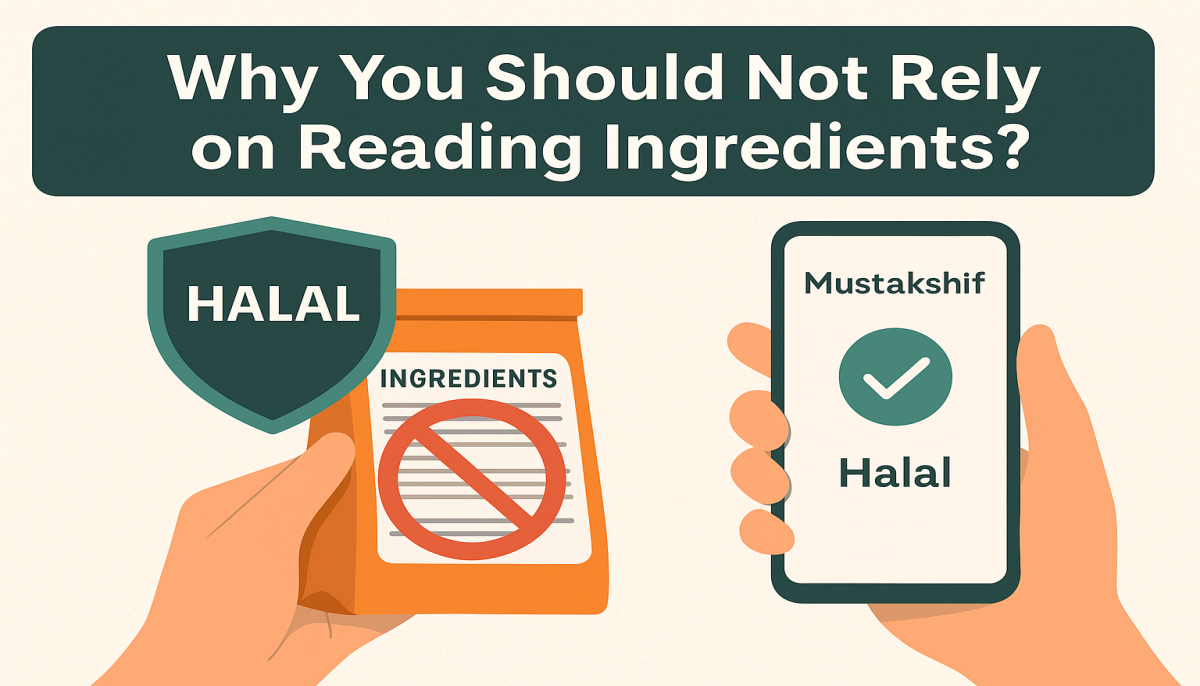
For consumers seeking to ensure their food choices align with halal dietary laws, the Mustakshif app offers a valuable resource. This app allows users to:
- Instantly verify the halal status of products by scanning barcodes.
- Identify hidden ingredients that may be questionable.
- Access scholar-backed guidance on food additives and flavourings.
By utilizing Mustakshif, consumers can make informed decisions about their diet, ensuring compliance with halal principles.
Conclusion
Artificial flavours, being synthetically formulated without originating from haram sources, are generally considered halal suitable. While health debates about artificial additives continue, their halal status remains clear. Understanding international regulations further assures consumers of their safety. Tools like the Mustakshif app empower individuals to verify the halal status of products, aligning their dietary choices with their faith.
Wallahu A’lam (And Allah Ta’āla Knows Best).