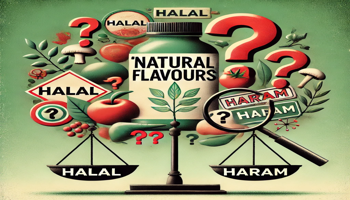
Is natural flavours ingredient halal or haram ?
In the realm of food consumption, adhering to halal dietary laws is paramount for many individuals. However, certain ingredients, such as "natural flavours," often present ambiguities that can lead to their classification as mushbooh—a term denoting doubtfulness regarding their permissibility. The Mustakshif app, dedicated to guiding users on halal compliance, identifies natural flavours as mushbooh after thorough research and intellectual analysis. This caution stems from the complex nature of natural flavours and varying international food standards.
Understanding Natural Flavours
Natural flavours are substances derived from plant or animal sources, intended to enhance the taste of food products. According to the U.S. Food and Drug Administration (FDA), natural flavours are those derived from natural raw materials. However, this broad definition encompasses a wide array of substances, making it challenging to ascertain their exact origins without specific labeling.
Halal Concerns with Natural Flavours
The primary concern with natural flavours in halal consumption lies in their potential derivation from animal sources. If these animal-derived ingredients are not sourced from halal-slaughtered animals, their consumption becomes impermissible. Additionally, even a single non-halal ingredient within a complex flavouring can render the entire flavour haram.
International Food Standards and Labeling Practices
The ambiguity surrounding natural flavours is further compounded by varying international food standards:
- United States: The FDA mandates that natural flavours be identified as such on product ingredient panels. However, the exact sources of these flavours are not required to be disclosed, leaving consumers uninformed about their origins.
- Canada: Similar to the U.S., Canadian regulations require the listing of natural flavours but do not necessitate the disclosure of their specific sources.
- Australia and New Zealand: The Australia New Zealand Food Standards Code defines natural flavourings as substances derived from plant or animal materials. However, labeling regulations may not always specify the exact source, leading to potential uncertainties for consumers seeking halal products.
- United Kingdom: UK regulations, previously aligned with the European Union, define natural flavours similarly. Post-Brexit, while the UK has retained much of the existing EU legislation, specific labeling of flavour sources is not always mandatory, maintaining some level of ambiguity.
AskHalal.ca’s Insight on Natural Flavours
The concept of "natural" on food labels can be misleading. According to AskHalal.ca, food labeled as "natural" generally implies that the ingredients originate from natural sources with minimal processing. However, the lack of strict legal definitions means that natural flavours can be derived from plant, microbial, or animal origins without clear labeling. Some key concerns include:
- Lack of Transparency: Regulations do not mandate companies to specify whether natural flavours originate from plants or animals. This makes it difficult for consumers to determine if a product is halal.
- Hidden Animal Ingredients: Natural flavours can include animal-derived extracts from meat, poultry, seafood, or dairy without explicit disclosure on the packaging.
- The Need for Manufacturer Clarification: Since labels do not always provide clarity, consumers often need to contact manufacturers directly to confirm the halal status of natural flavours.
Mustakshif's Approach
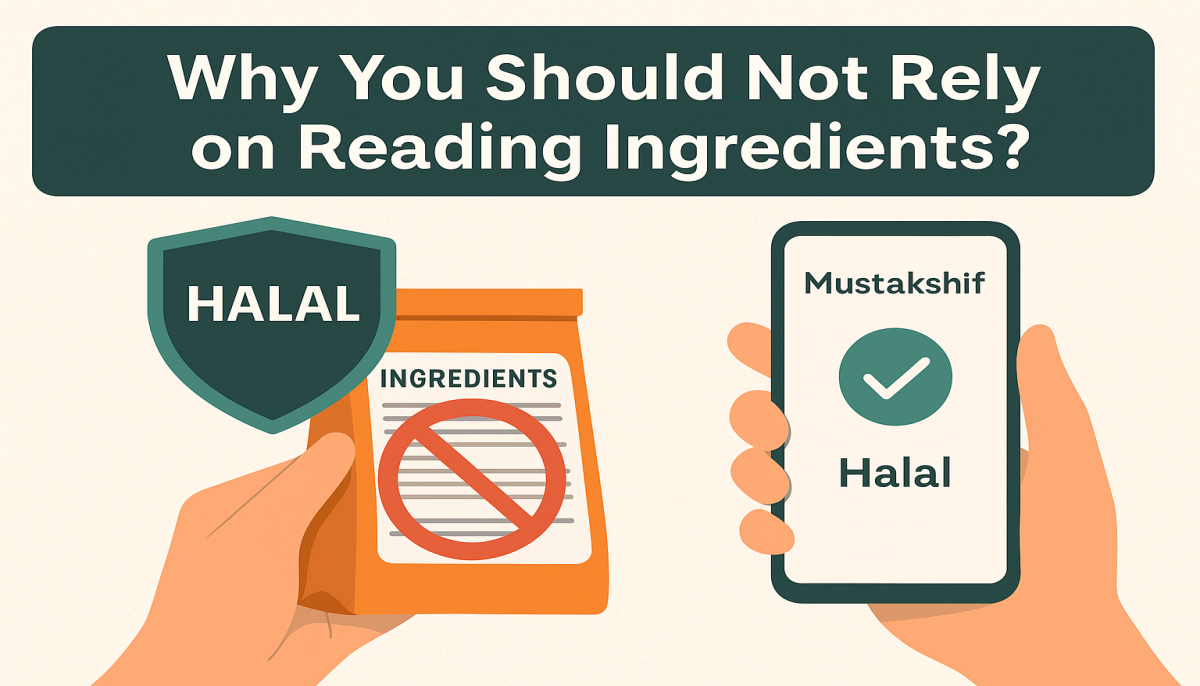
Given these complexities, the Mustakshif app adopts a cautious stance by classifying natural flavours as mushbooh. This classification is not arbitrary but is the result of meticulous research and intellectual discourse, aiming to prevent the inadvertent consumption of haram substances. By doing so, Mustakshif provides users with the information needed to make informed dietary choices in adherence to their faith.
Resolution
The ingredient "Natural Flavour" in labeling will be marked “Doubtful” (Mushbooh) until clarity is attained about its composition. If certifications like Vegan, Vegetarian, or Kosher Dairy/Pareve, or clarity from the company help relieve concerns about animal-based ingredients within it, then it will be marked Halal Suitable.
Conclusion
The classification of natural flavours as mushbooh in the Mustakshif app underscores the importance of vigilance in halal consumption. Due to the lack of transparency in flavour sourcing and varying international labeling standards, consumers are advised to seek clarification from manufacturers or opt for products with clear halal certification. This proactive approach ensures compliance with dietary laws and aligns with the ethical considerations of halal-conscious individuals.