Thailand’s Geography & Why It Matters?
Thailand, the gateway of Southeast Asia, sits between Malaysia and Cambodia. Its southern region shares a border with Muslim‑majority Malaysia, so you’ll spot a solid number of Muslims—about 35 % of Phuket’s population, for example. That means halal food isn’t just in pockets—it’s increasingly everywhere.
Yet international Muslim students often arrive wondering, “Where can I eat halal? Is everything halal?” Thai labels and menus in Thai script don’t make it easy.
This blog covers Islamic halal essentials, how to verify food in Thailand, scanner tools, top halal cities and dishes, plus travel tips for tourists and immigrants so you can study and explore worry‑free.
Is Halal Food Easy to Find in Thailand?
Halal means lawful, pure, and safe. The Qur’an warns believers to avoid impure things, and Prophet P.B.U.H said, “What is lawful is clear, and what is unlawful is clear…” (cited in Bukhari).
That means it’s not just pork or alcohol—you’re guided to choose halal in everyday life.
Let’s ask the big question first: Is food in Thailand halal?
No—not everything is. But yes—you can find halal food pretty easily if you know where to look. Every major city and many towns host halal spots. Bangkok? Hundreds. Phuket? Around a third Muslim population line the streets with halal eats. And even Buddhist-majority regions feature halal-certified products overseen by the Central Islamic Council of Thailand. Just look for their green Arabic logo.
Halal Certification in Thailand
Thailand may be a Buddhist-majority country, but it takes halal certification seriously. The Central Islamic Council of Thailand (CICOT) is the national authority responsible for halal oversight. They work closely with provincial Islamic committees to inspect and certify food businesses, from small street vendors to large factories.
What does halal certification involve?
Before a product or restaurant earns the halal logo, it goes through strict checks:
- Ingredients must be halal from start to finish (no pork, alcohol, or non-Zabiha meat).
- Utensils and kitchen equipment can’t be cross-contaminated with haram items.
- Food prep and storage must follow Islamic hygiene practices.
Once approved, products or eateries display a green circular halal logo with Arabic script and Thai/English labels. You’ll find this logo on thousands of packaged snacks, instant noodles, dairy, sauces, and restaurant sign boards.
As of now:
- There are over 5,000 halal-certified restaurants and 15,000 halal-certified products across Thailand.
- Thailand even exports halal goods to countries like Malaysia, Indonesia, and the Middle East.
- Major brands and supermarkets often dedicate shelf space to halal items—especially in tourist-heavy cities like Bangkok, Phuket, and Hat Yai.
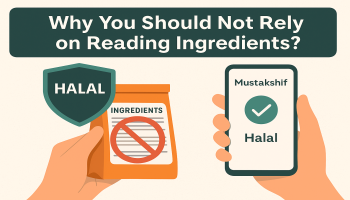
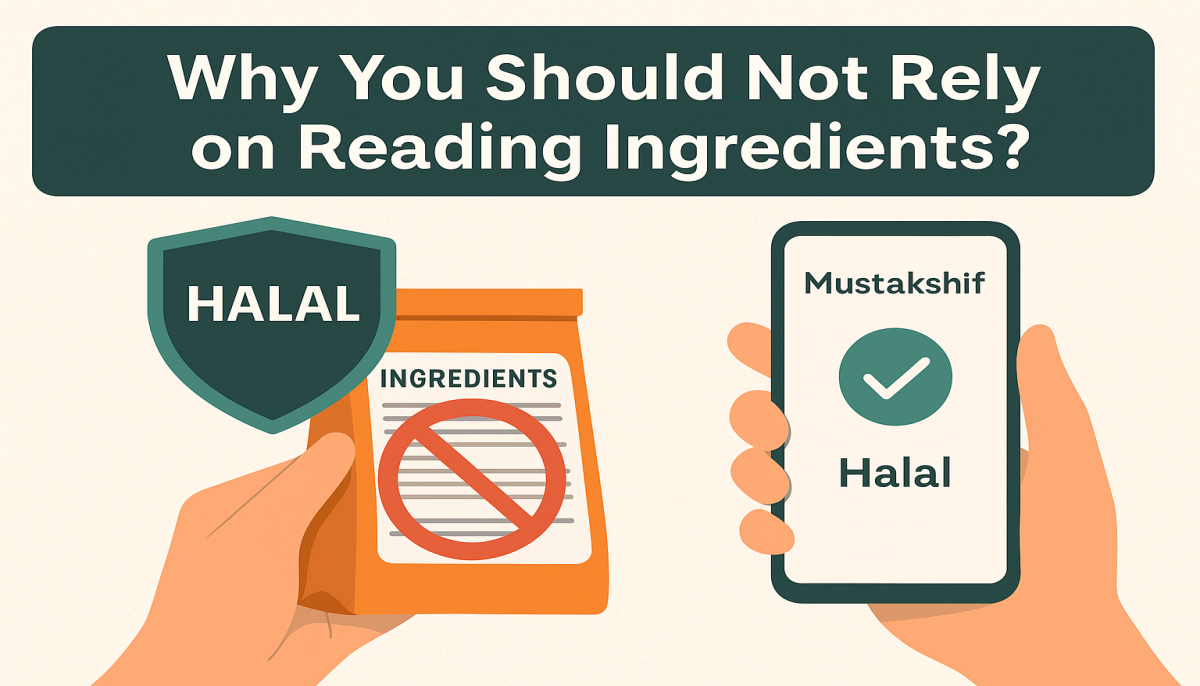
And if you’re not sure? Scanner apps like Mustakshif, HalalTrip, or Zabihah can double-check the status.
Halal Scanner App Mustakshif — Everyday Halal & Shariah Companion
Even with certification, labels can still be vague. That’s where Mustakshif comes in. Mustakshif isn’t just a barcode scanner; it’s a digital assistant made for Muslim lifestyles. Whether you're settling into Thailand or observing Ramadan away from home, this app keeps you grounded in your faith every day of the year. Need to check if a chocolate bar is halal? Done. Looking for a mosque, halal restaurant, or prayer area nearby? Easy. Mustakshif gives you all that, plus a lot more.
Here’s what it offers:
- Food & Non-Food Scanner: Scan groceries, cosmetics, or medicines. Get halal/haram status instantly, with alternatives suggested if needed.
- Nearby Essentials: Locate takeaways, Halal places near me, halal dining spots right from the app.
- Prayer Tools:
- Accurate Azan notifications
- Daily Salah & Azkar reminders
- Qibla finder based on your location/Local Jumma Times with Khutbah language selection
- Learning Tools:
- Step-by-step Salah and Dua phrases
- Quran audio by famous reciters with translations
- Extras:
- Send Islamic greetings and e-gift cards to loved ones during Ramadan or Eid.
- Special Ramadan support: countdowns, fasting alerts, iftar times, and Dua guides.
- Holds 2.5+ million products globally—yes, even Thai brands.
- Offers live updates if a product’s status changes.
So, if you're a student figuring your way through Thailand and want halal food, prayer spots, or a quick check before buying anything—Mustakshif’s got your back. It’s like having an Islamic guide in your pocket anytime you need it.
Quick How‑to Download Mustakshif (Android/iOS)
1. Open the scanner and align the barcode.
2. Review halal/haram status and flagged ingredients.
3. Check suggested alternatives if needed.
How to Find Halal Places in Thailand?
If you’re worried about finding halal places in Thailand, the Mustakshif app makes it simple. Just open the app, hit “Halal places near me,” and you’ll see a list of nearby halal restaurants, takeaways, and even hidden cuisines serving Turkish, Chinese, or Lebanese cuisine.
But it’s not just a basic list. You can sort the results based on distance, user ratings, food type, or even prayer facility availability. For example, if you’re after a place that stays open late or has a women's prayer section, apply those filters, and it narrows it down in seconds. Each listing comes with opening and closing times, contact details, and user reviews, so you know exactly what to expect before you go.
And here’s a bonus: if you’re thinking of starting your own halal business, Mustakshif can help with that too. Its data-driven listings and user insights show where demand is high and what types of food or services are trending. So you don’t just guess—you plan smart with real data at your fingertips.
Where to Eat Halal in Thailand?
Thailand is one of the most Islam-friendly countries in Southeast Asia. While the majority of Thai people are Buddhists, the nation is known for its religious diversity and peaceful coexistence. Muslim communities are found all over the country, especially in the southern regions, bringing with them rich traditions and some of the best halal food you’ll taste.
Bangkok is a top pick for halal dining. It’s not just the capital—it’s a halal food hub. The city is packed with Muslim-friendly spots, whether you're after Thai, Indian, Malay, or even Middle Eastern dishes. The Bang Rak district is one of the best areas for halal food, with many eateries around the Chao Phraya River. Within the Yawa Mosque Community, you'll find authentic Javanese dishes like yellow glutinous rice, Jawa Sweetie Boxes, and unique desserts. It’s not just about eating, it's about soaking in the local culture, too.
Phuket, known for its scenic beaches, also offers an impressive halal food scene. With a large Thai Muslim population, you’ll see halal signs on restaurants and street stalls all over the place. One must-try dish here is Thai-style roti—a sweet, flaky treat often topped with banana, egg, and condensed milk. Roti Thaew Nam is a favourite among locals and tourists alike. Apart from roti, their menu includes Chicken Massaman curry, mini pancakes, and other halal comfort food classics.
Krabi, down in the south, is another standout halal-friendly destination. With its towering limestone cliffs and laid-back vibe, it’s also home to many Muslim families and mosques—like Masjid Al-Munawarah in Ao Nang. You'll find a good mix of halal-certified restaurants, Muslim-run food stalls, and local eateries. Whether it’s grilled chicken, spicy curries, or seafood, halal options are easy to come by.
Across Thailand, certified halal restaurants follow strict Islamic guidelines. You can spot them easily by the Halal standard symbol. It is a clear sign that food has been prepared according to Shariah law. These dishes are not only safe for Muslims but also packed with nutrients and made through clean, careful cooking processes.
From local street food in Chiang Mai to seaside curries in southern towns, Thailand’s halal food scene is growing and welcoming. Wherever you are in the country, there’s likely a mosque nearby and a warm plate of halal food waiting for you.
Must-try dishes
- Massaman curry (Thai‑Muslim classic with beef or chicken)
- Khao mok gai (Thai‑style biryani)
- Pad Thai (stir‑fried noodles, usually with halal chicken)
- Tom yum & gaeng som—check the vendor’s halal certification
Recommended Bangkok eateries
- Rain Tree Café at The Athenee: high-end buffet, live stations, seafood nights, all certified halal meat. Alcohol is served, but meats are halal-certified.
- Usman Thai Muslim Food: famed for halal tom yum.
Travel & Transport Tips for Tourists and Immigrants
- Bangkok BTS/MRT: Meat vendors can be checked via the app; seafood or vegetarian is safest if halal isn't clear.
- Grab: Handy for rides and food delivery; preference for halal eateries on GrabFood or Foodpanda.
- Inter-city trains/buses: Meals provided—bring personal halal snacks just in case.
- Airports like Suvarnabhumi and Phuket International offer prayer rooms and halal food courts.
Top Halal-Friendly Attractions
- Bangkok Old City: Historic temples + nearby halal street eats
- Phuket Old Town: Mosques and halal seafood cafés
- Chiang Mai Night Market: Halal stalls by prayer area
- Ayutthaya: Heritage sites surrounded by Muslim-run rice and curry shops
Questions to Think About for Students, Tourists and Immigrants
- How do you usually verify the halal status of unfamiliar foods?
- Have you tried Massaman Curry or Khao Mok Gai—did you check if they were halal?
- Do you rely on apps, certification labels, or personal recommendations?
- What’s one halal dish you'd love to try in Thailand?
Final Thoughts
- Halal is easy to find, especially if you know where to look.
- Certification is real—CICOT seals give peace of mind.
- Scanner apps like Mustakshif help guard daily choices. Just be aware of ads and maybe go premium.
- Thai cuisine is halal‑friendly: From street stalls to luxury buffets, halal options abound.
- Getting around is stress‑free—transport hubs support Muslim travelers well.
If you’re heading to Thailand, grab Mustakshif for grocery runs—ads are a pain, but the premium is worth it. Being a Muslim student abroad comes with its own set of challenges. But in Thailand, halal living doesn’t have to be one of them. You've got apps to guide you, food you’ll love, and a welcoming environment that respects your way of life. So, whether you're just starting your semester or exploring over the weekend, you'll never be too far from a good meal, a prayer space, or a friendly local who understands.
Eat halal, stay true, and enjoy Thailand’s foodie treasures.