Understanding E478
Lactylated fatty acid esters of glycerol and propane-1,2-diol carry the E-number E478. This ingredient is primarily employed as an emulsifier and stabiliser in food processing. Some may refer to it as lactylated fatty acid esters, lactylated glycerol esters, or lactylated propylene glycol esters. It serves practical functions in everyday products.
Manufacturing origin: where it comes from
This multi-purpose compound is chemically developed rather than naturally extracted. The basis is made up of fatty acids from either plant or animal-based lipids. After that, glycerol and propylene glycol react with these acids. After that, the esters are combined with lactic acid to induce a lactylation process. This improves their capacity to keep mixtures stable. To meet food-grade quality standards, the resultant chemical is purified and put through safety testing.
Application and purpose of food
Within food technology, e478 helps combine oil and water-based elements evenly, which maintains product consistency. Whether in margarine or confectionery, it enhances structure and prevents ingredient separation. The result is better texture, creaminess, and shelf stability.
Outside the food sector, cosmetic formulations use it in creams and lotions for smoother blends. The pharmaceutical industry also uses this compound in various emulsified products.
Halal status: Is it suitable?
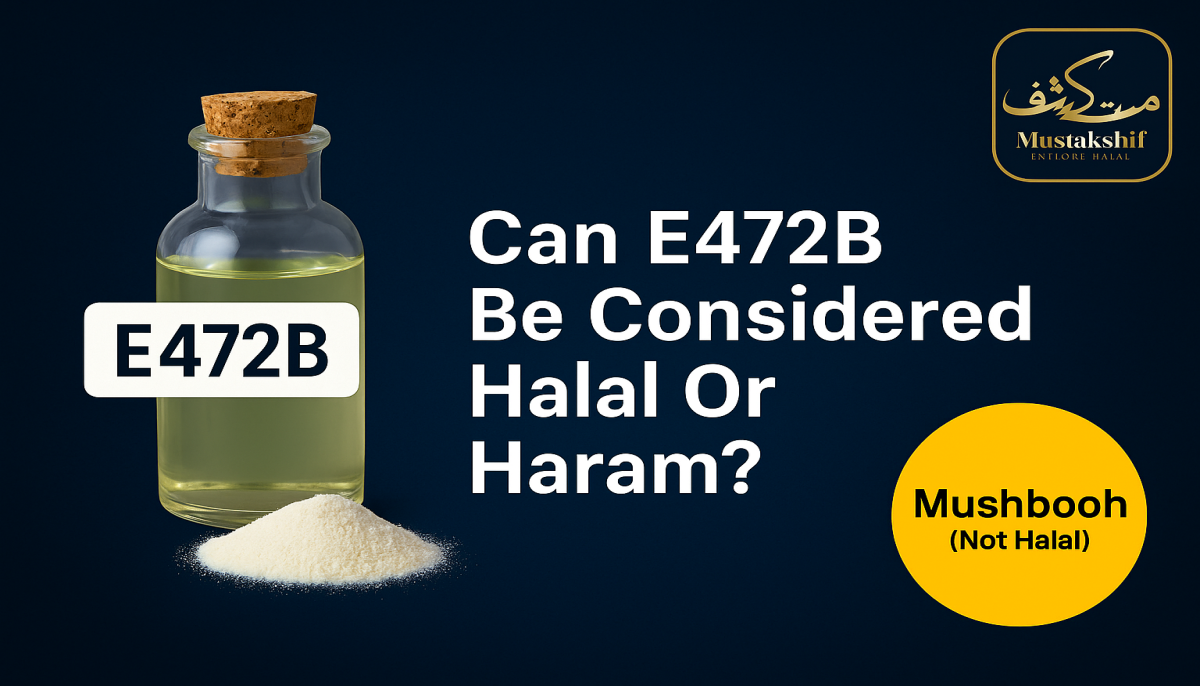
E478 has been classified as mushbooh, a term indicating uncertainty regarding its permissibility in Islamic dietary laws. Its origin is the source of the ambiguity. Vegetable sources are fine, while fats originating from animals are problematic. Its halal certification is still in doubt unless its plant-only origin or halal animal sources are specifically confirmed.
Religious guidance on E478
Fatwas on E478 vary by source and interpretation. Some scholars advise avoidance unless the origin is verified as plant-based. Others allow conditional use if no haram sources are involved. Due to this lack of consensus, individuals are often encouraged to seek clarification from certified halal authorities or choose guaranteed halal-certified products.
Final remarks
E478 emulsifies, stabilises, refines texture, and prolongs product freshness. It serves multiple industries, from food to skincare. However, due to its potential ties to animal-derived fats, its classification remains mushbooh. Careful label reading and brand transparency can help consumers make informed choices.