Understanding animal fat and its aliases
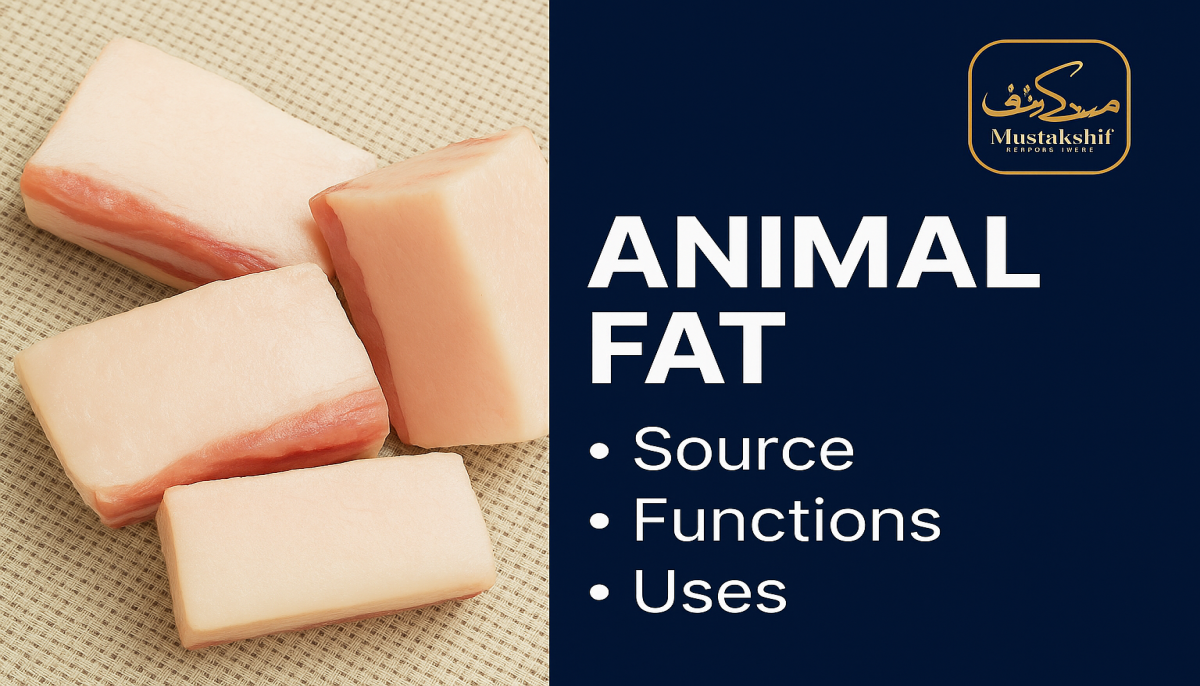
Animal fat is a rendered lipid sourced from various animals. This fat is also termed as tallow when taken from cattle or sheep, and called lard when obtained from pigs. Suet refers to hard beef or mutton fat, while dripping and grease are common in culinary contexts.
How is it processed from animals?
Animal fat is a natural fat that comes from the body tissue of animals like cows, pigs, and sheep. To collect it, the fat is heated in a process called rendering. This melts the fat and separates it from the solid parts. After that, the liquid fat is cooled until it becomes solid again. The final product lasts a long time and can be used in many ways.
The roles it plays across sectors.
In the culinary space, animal fat is cherished for its contribution to food quality. It enhances richness, improves texture, and locks in moisture. Due to its high smoke point, it also serves as a stable medium for frying and sautéing. Popular in pastries, meat products, and savoury snacks, it also finds a place in industries beyond food. Soaps, candles, and even biodiesel benefit from its chemical properties.
Religious classification: uncertainty around permissibility
Animal fat is generally marked as mushbooh, meaning its permissibility in Islam is doubtful. This ambiguity arises from uncertainty about the slaughter method and the animal's origin. Fat sourced from pigs is clearly forbidden. Similarly, if the animal wasn’t slaughtered per Islamic requirements, the fat becomes unacceptable. Only when derived from halal-slaughtered animals does it align with Islamic law.
Scholarly guidance on its status
Some scholars have expressed caution regarding animal fat when its source isn’t declared. Multiple fatwas advise verification before consumption, especially when the fat is used in processed or imported products. Transparency from manufacturers is key for permissibility.
Final note
Animal fat, under various names and applications, remains a versatile ingredient in both food and manufacturing. Its halal status depends strictly on the animal origin and processing method. For those concerned with dietary laws, it’s essential to seek clarity before use.