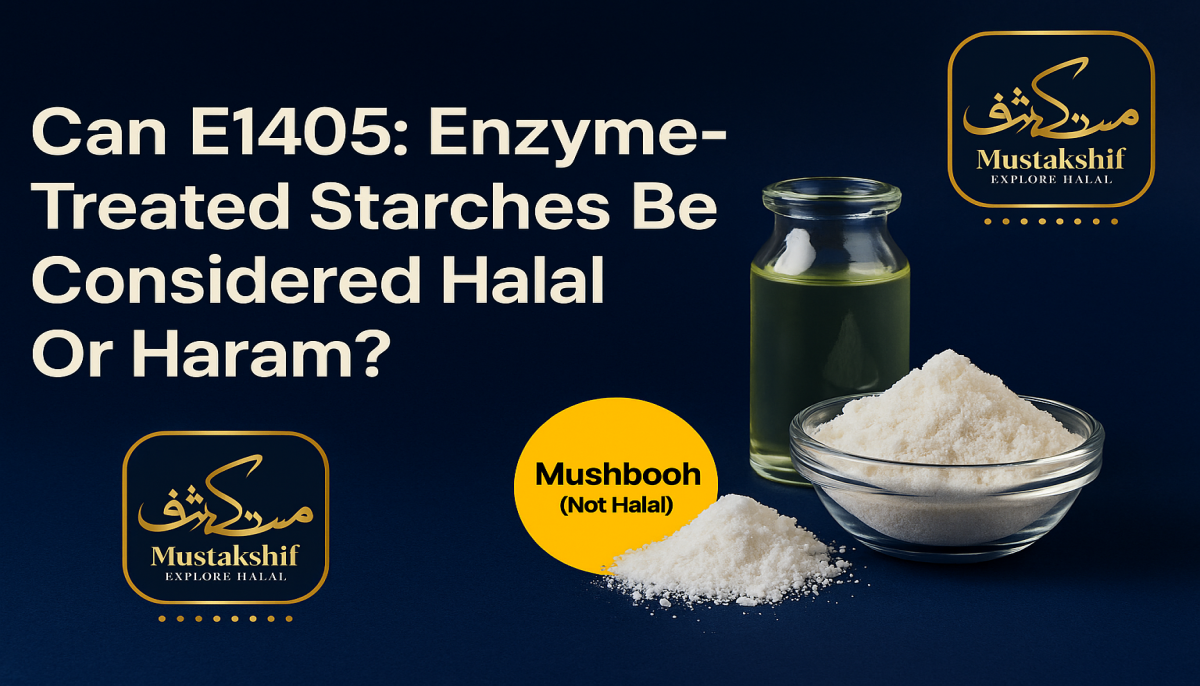
Mustakshif Shariah Board Rulings on E1405: Enzyme-treated Starches
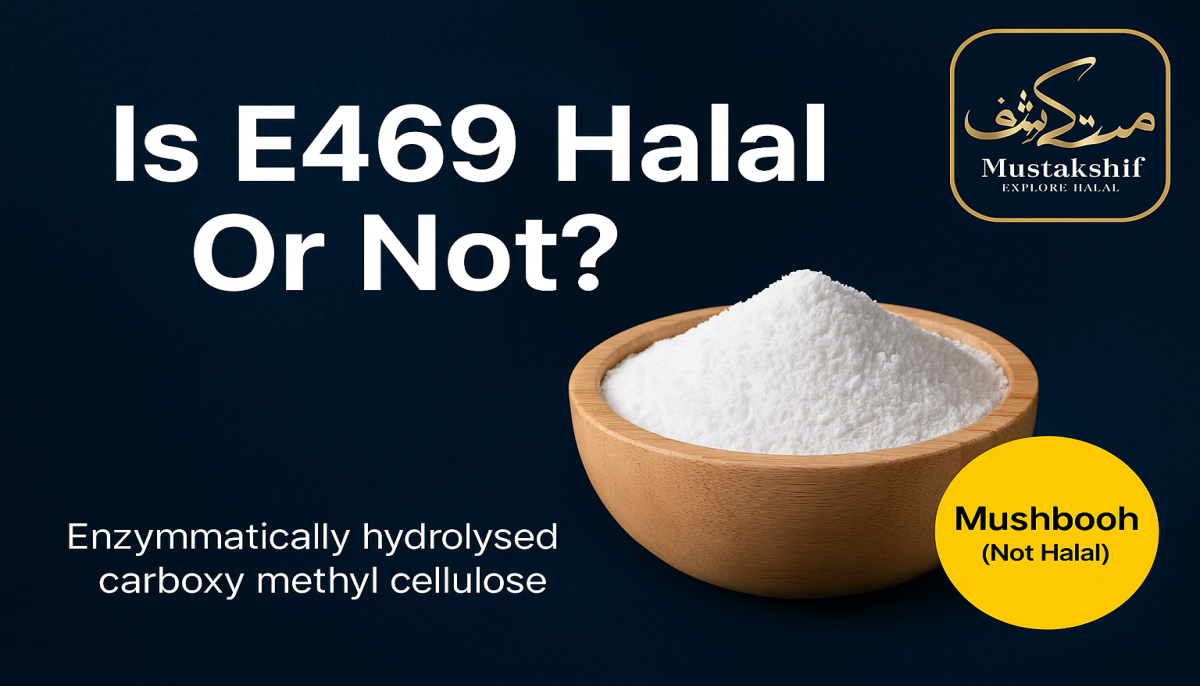
According to Mustakshif Shariah Board, E1405 is considered mushbooh, meaning doubtful or questionable in Islamic dietary terms. While the starch itself is plant-based, the origin of the enzymes used in the treatment process is not always disclosed. If the enzymes come from non-halal animal sources or are processed with alcohol, the final product may not be halal. Due to this ambiguity, many scholars advise caution, particularly when the enzyme origin cannot be verified.
Fatwas Concerning the Ingredient
There are no widely accepted fatwas directly addressing E1405. However, general fatwas concerning enzyme-treated products state that if the enzyme origin is from halal or microbial sources and no alcohol is used, it may be permissible. If the source is unknown or from haram animals, it falls under mushbooh.
Introduction about E1405
E1405 refers to enzyme-treated starch, a type of modified starch commonly used in processed food. Known by several synonyms, including modified starches, enzyme-modified starches, and amylase-treated starch.
How is it obtained?
E1405 is made by treating plants, such as those from corn (maize), potato, wheat, or tapioca, with specific enzymatic treatment. These enzymes modify the structure of the starch to give it new properties. Though the source starch is typically plant-based, the enzymes used in processing may come from animal, plant, or microbial origins, raising some concern in dietary assessments.
Functions of E-1405
In the food industry, enzyme-treated starch serves multiple purposes:
- Thickening and gelling: Enhances texture and consistency in sauces, yogurts, and gravies.
- Stabilisation: Maintains uniformity and prevents ingredient separation in dressings and desserts.
- Moisture retention: This helps keep baked goods and processed meats moist and fresh for longer.
- Binding and coating: Common in processed meats, bakery items, and confectionery to hold ingredients together or form coatings.
It’s widely used across the bakery, dairy, meat, and processed food sectors for these functional benefits.
Conclusion
E1405, or enzyme-treated starch, plays a key role in modern food production for improving texture, stability, and shelf life. Though plant-derived, the uncertain source of enzymes used in processing leads to its classification as mushbooh in Islamic dietary law. Muslim consumers are advised to check with manufacturers or seek halal certification when in doubt.