Mustakshif Shariah Board Rulings on vitamin K
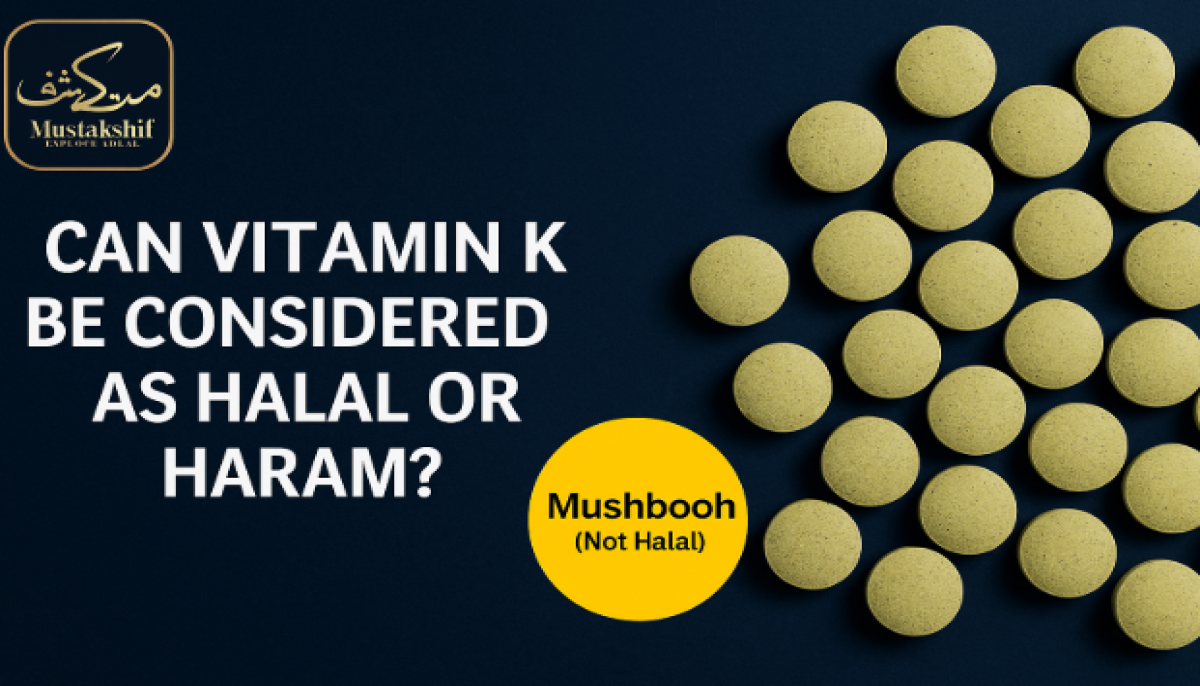
According to Mustakshif Shariah Board, Vitamin K holds a mushbooh status. This classification means its permissibility is uncertain in Islamic dietary law. The ambiguity stems from the source and method of production. If extracted from halal-certified plants, it aligns with permissible criteria. However, when obtained from non-halal animal derivatives or via alcohol-based solvents during synthesis, doubts emerge.
Religious rulings and expert opinions
Currently, clear fatwas specifically addressing vitamin K are limited. Scholars often recommend checking the source and processing method to determine its compliance with halal standards. When uncertain, Muslim consumers are advised to seek alternative products with verified halal certification
Getting to know the ingredient
Vitamin K belongs to the group of fat-soluble vitamins. It includes phylloquinone and menaquinone. Vitamin K is vital for blood coagulation and maintaining bone strength. Its presence in various foods makes it a key component of a balanced diet.
Extraction and sources
Extracted from natural origins or created through synthetic means, vitamin K can be produced in two primary ways. Plant-based options like spinach, kale, and broccoli provide phylloquinone. Meanwhile, menaquinone occurs in animal products, including fish, meat, and dairy. For commercial use, extraction involves isolating the vitamin from plant matter or creating it through controlled chemical synthesis in labs.
Role in food and health
This vitamin actively supports the protein formation required for proper blood coagulation. It also contributes to maintaining strong bones. In the food sector, it’s widely used in dietary supplements and fortified items to boost nutritional value and help close dietary gaps. This vitamin ensures consumers meet their daily nutritional needs effectively.
Final thoughts
Vitamin K is still essential for blood function and skeletal support, regardless of whether it comes from leafy greens or artificial synthesis. Despite being widely utilised in the food and health sectors, its halal classification is mostly dependent on manufacturing and sourcing transparency. Examining product certifications and labels is essential for Muslim buyers to make wise decisions.