Mustakshif Shariah Board Rulings on E153 or Vegetable Carbon
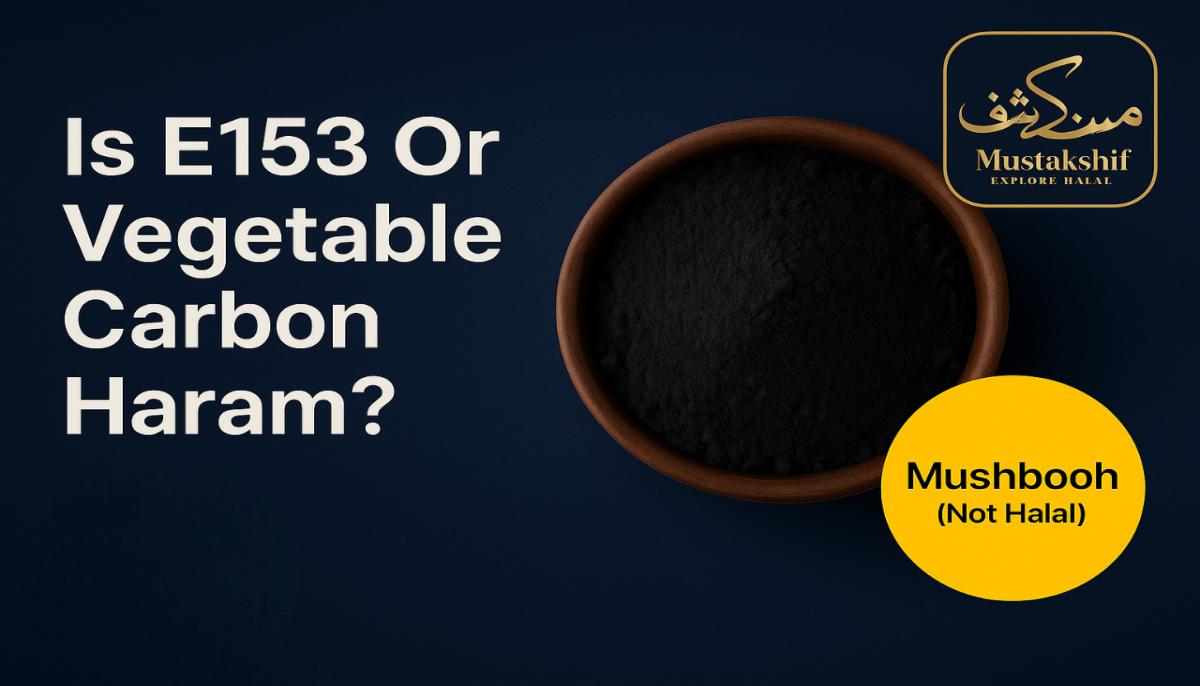
According to Mustakshif Shariah Board, E153 or vegetable carbon is classified as mushbooh. Its classification stems from uncertainty around the source material and processing aids. While plant-derived versions are generally acceptable, contamination risks during production, such as animal-based additives in purification, raise concerns. Religious authorities recommend verifying manufacturing details before consumption.
Religious rulings and scholarly opinions
Some Islamic scholars permit plant-sourced E153 if no haram substances are involved, whereas others advise caution due to potential cross-contamination. Always check certification from reputable halal accreditation bodies when in doubt.
What exactly is E153?
Labeled under e-code E153, this ingredient is often called vegetable carbon, activated carbon, or carbon black. This dark pigment is commonly used to enhance the appearance of various edible and non-edible products. Other familiar names include charcoal and plant-based carbon, depending on its processing method.
From nature to plate: How is it made?
E153 is a natural food colourant derived from charred plant matter. The starting materials may include coconut shells, peat, wood, or similar vegetation. These undergo a carbonisation process, where heat eliminates volatile elements. This leaves behind a dense carbon base.
Next, an activation step using steam or chemicals boosts surface area and porosity. This increases its ability to adsorb substances, which makes it useful in more than just colouring. Following this, the substance is ground and purified, ensuring it is safe for food use. Every batch is tested for compliance with food-grade requirements.
Why do industries rely on this black pigment?
Primarily functioning as a colourant, vegetable carbon delivers a rich black shade. It’s often included in items like jelly beans, black bread, liquorice, cakes, and gelato. Some dark-themed cocktails also use it for visual effects.
Outside the kitchen, it’s added to certain cosmetic and personal care items for pigmentation. Within the health sector, activated charcoal serves as a detoxifying agent in various medicinal preparations.
Final thoughts
Vegetable carbon, or E153, plays a noticeable role in colouring food and industrial items. Though commonly sourced from plants, its halal status requires careful consideration. Consumers should prioritise products with clear halal certification to ensure compliance with dietary guidelines.