Mustakshif Shariah Board Rulings on Lipolyzed Butter Fat
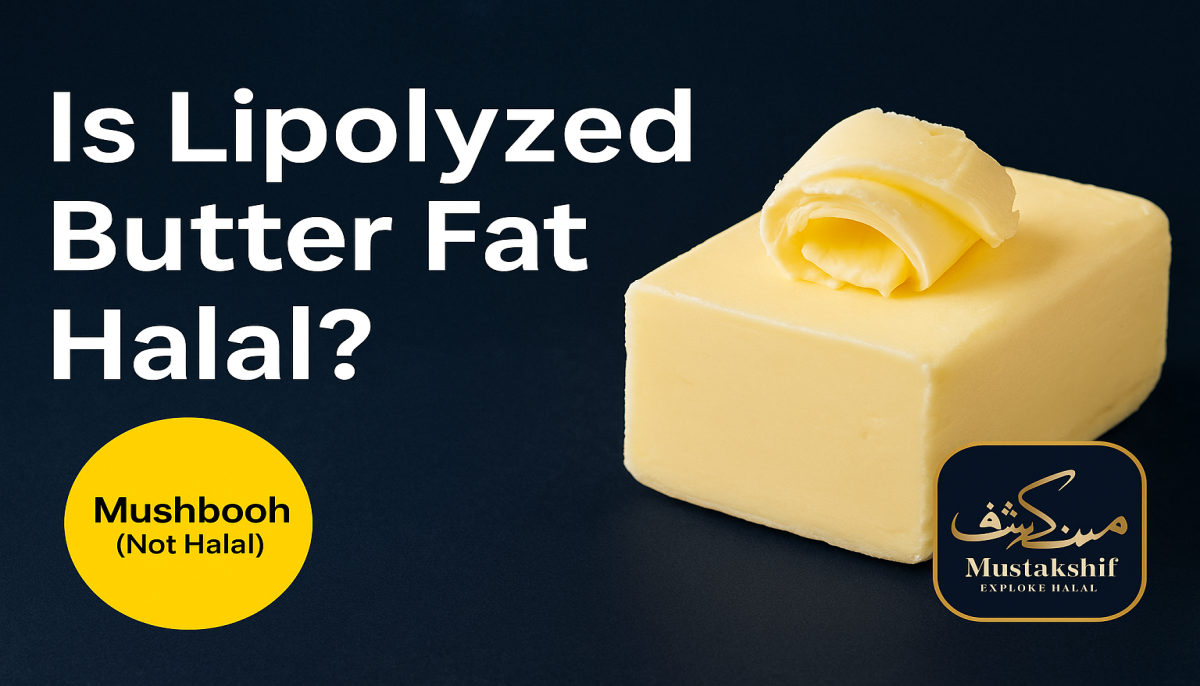
According to Mustakshif Shariah Board, lipolyzed butter fat Classified as mushbooh—doubtful—its permissibility under Islamic dietary law isn’t confirmed. The concern arises from the source of lipase enzymes. If these enzymes are obtained from animals not slaughtered according to Islamic guidelines, the ingredient may be considered impermissible. The uncertainty lies not in the dairy source but in the enzyme origin, which varies depending on the manufacturer's practices.
Religious opinions on its use
Some halal certification bodies advise caution. Without verified details about enzyme origins, Muslim consumers are recommended to avoid products containing this ingredient unless certified by a trusted halal authority. Fatwas differ, especially when microbial or plant-based enzymes are used instead of animal-derived ones.
Introduction
Lipolyzed butter fat, also referred to as hydrolyzed butter fat, lipase-modified butter fat, or enzyme-modified butter fat, is a dairy-based ingredient created through a process called lipolysis. It is commonly used in the food industry to enrich buttery flavours. The word "lipolyzed" indicates that the butter fat has been processed in an enzymatic process that has altered its composition and level of taste.
How it’s processed
Lipolyzed butter fat is made from cream or butter made from cow's milk and is used as a flavouring agent. There are multiple steps in the extraction process. First, premium cream or butter is chosen. After that, it is subjected to lipase enzymes in a carefully monitored environment. The triglycerides are broken down by these enzymes, which can be microbial, animal-based, or plant-derived, into glycerol, mono and diglycerides, and free fatty acids. The fat profile is altered by this breakdown, intensifying the flavour and aroma. In order to stabilise the outcome and lock in the intended taste qualities, the procedure is halted at a specific time.
Usage
This modified dairy fat serves multiple functions. It deepens buttery notes in food, enhances the texture, and improves creaminess. Food producers often use smaller quantities of lipolyzed butter fat to achieve the desired taste, making it a cost-conscious choice. You’ll find it in baked items like biscuits and sponge cakes, creamy dairy goods such as spreads and margarine, savoury snacks including popcorn and crackers, and even in sauces where a full-bodied, creamy taste is sought. Chocolates and sweets also benefit from their rich, butter-like undertones.
Final thought
Lipolyzed butter fat offers intense flavour with economic benefits in food production. While technically fascinating, its status remains uncertain due to the ambiguous enzyme sources. Careful ingredient verification or certification remains the safest path for those observing halal dietary rules.