Mustakshif Shariah Board Rulings on Microbial Cultures
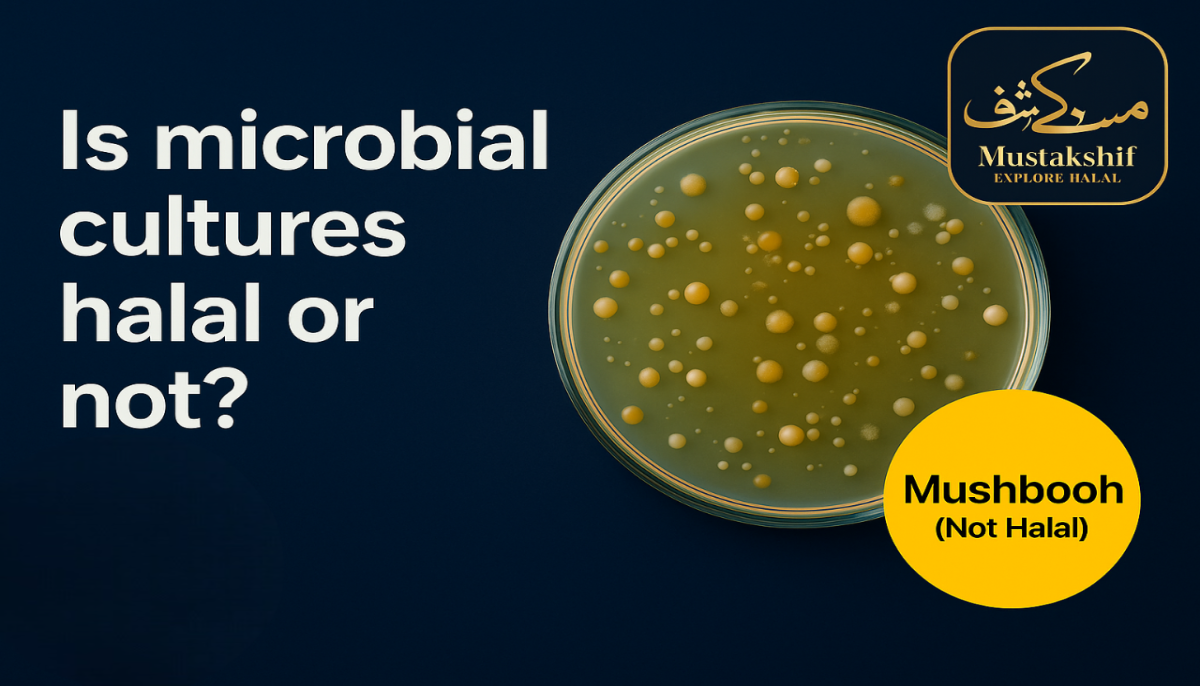
According to Mustakshif Shariah Board, microbial culture is considered mushbooh (nothalal). The permissibility of microbial cultures depends on their source and growth medium. While most are halal, concerns arise if derived from non-halal substrates or alcohol-based environments. Verification of source materials and production conditions is essential to assess their permissibility.
Fatwa opinions on culture
Some Islamic scholars advise caution unless the culture is proven to originate from halal-certified environments. It is frequently advised by fatwa organisations to verify that the media and microorganisms used in fermentation meet halal requirements. Scholars tend to avoid certification when it is absent.
Introducing culture
Microbial cultures consist of live bacteria or fungi responsible for fermenting various foods and beverages. These tiny organisms modify raw components, creating products such as kefir, kimchi, and kombucha. Alternative terms include starter culture, inoculum, or probiotic culture, reflecting their diverse applications.
Sourcing the microflora: where culture comes from
Culture is a microbiological element that comes from naturally occurring bacteria or fungi. Professionals usually isolate these microbes from fermented foods, dairy products, or even environmental samples. They are cultivated in rigorous laboratory conditions for food manufacture. Sterile procedures guarantee their safety and activity. They are dependable for industrial applications because of this preparation. Whether derived from aged cheese or wild yeast, each strain contributes distinct characteristics to the final product.
Functions and food industry applications
These microbes initiate the fermentation process. Their metabolic activity produces softer textures, tangy undertones, and unique scents. By producing acids, cultures aid in turning milk into cheese or flour into sourdough. These acids prolong shelf life by inhibiting bacteria that cause spoiling. Additionally, the fermentation process improves nutritional value and digestibility.
You’ll find culture in cheese and yoghurt factories, breweries, bakeries, and fermented vegetable production lines. From kimchi to cabernet, culture guarantees consistent fermentation. It provides flavour control, texture balance, and microbial stability throughout production.
Summary
Culture, the microbial starter of countless fermented favourites, remains indispensable across global food industries. Though naturally sourced, its halal standing depends on its media and growth conditions. Clarity from manufacturers and third-party certifications can aid in making informed dietary decisions.