Mustakshif Shariah Board Rulings on Powder of Whey
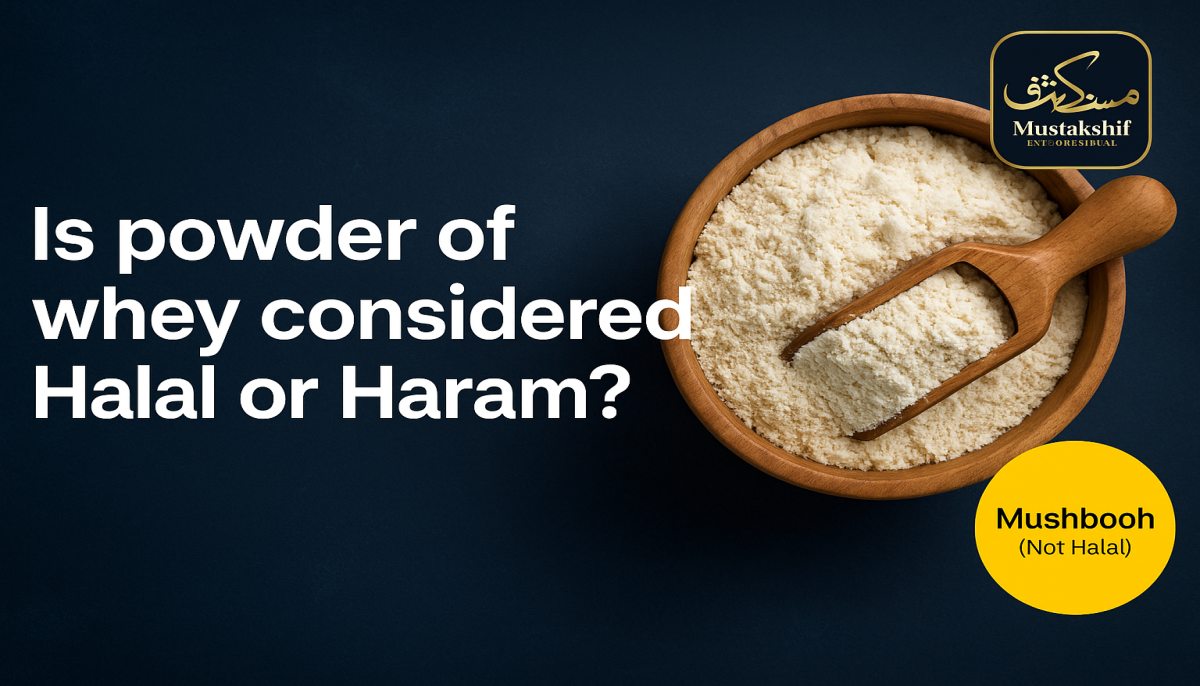
According to Mustakshif Shariah Board, Whey’s halal status remains Mushbooh due to potential enzyme involvement during cheese production. If microbial or plant-based enzymes are used, it may be deemed permissible. However, rennet, an enzyme often used to curdle milk, may be sourced from non-halal animal origins. Since whey results from this process, its purity becomes questionable under Islamic dietary laws.
Fatwas on whey: religious rulings and guidance
Various scholars and halal certification bodies differ in their rulings. Some allow consumption if the whey is proven to come from halal rennet. Others advise caution unless verified by trusted authorities. Due to this variance, it is listed as mushbooh—neither clearly halal nor definitively haram.
Exploring whey: a nutritional powerhouse
Whey refers to the liquid left after milk is curdled during cheese-making. It carries a rich nutritional profile, especially protein, with high bioavailability. Common terms used include whey protein, whey powder, and lactoserum. It is a mainstay in functional diets and fitness supplements due to its excellent digestion and nutritional advantages. One complete protein source that is rich in critical amino acids is whey.
How is whey obtained?
Classified as both a protein supplement and a functional food enhancer, whey originates from dairy. During cheese production, milk separates into solid curds and liquid whey. That leftover fluid is collected and processed further. Protein from the liquid is isolated and then dried to form powder. The resulting ingredient enhances food not only nutritionally but also texturally.
Applications of whey: nutritional and culinary roles
Whey carries various functions in food. It enriches products with protein, working as an emulsifier and stabiliser. Its presence improves mouthfeel and thickness in dairy and snack items. Bakers favour it for texture, while supplement manufacturers use it for muscle-building formulas. Its contribution to nutrition and taste makes it valuable in a variety of industries.
Closing thoughts
Whey holds strong functional value in food and nutrition. Despite its widespread use, questions about its halal status persist. Until sources and processes are clearly verified, consumers following Islamic dietary guidelines are advised to seek certified products or alternatives.