Mustakshif Shariah Board Rulings on Pyridoxine (vitamin B6)
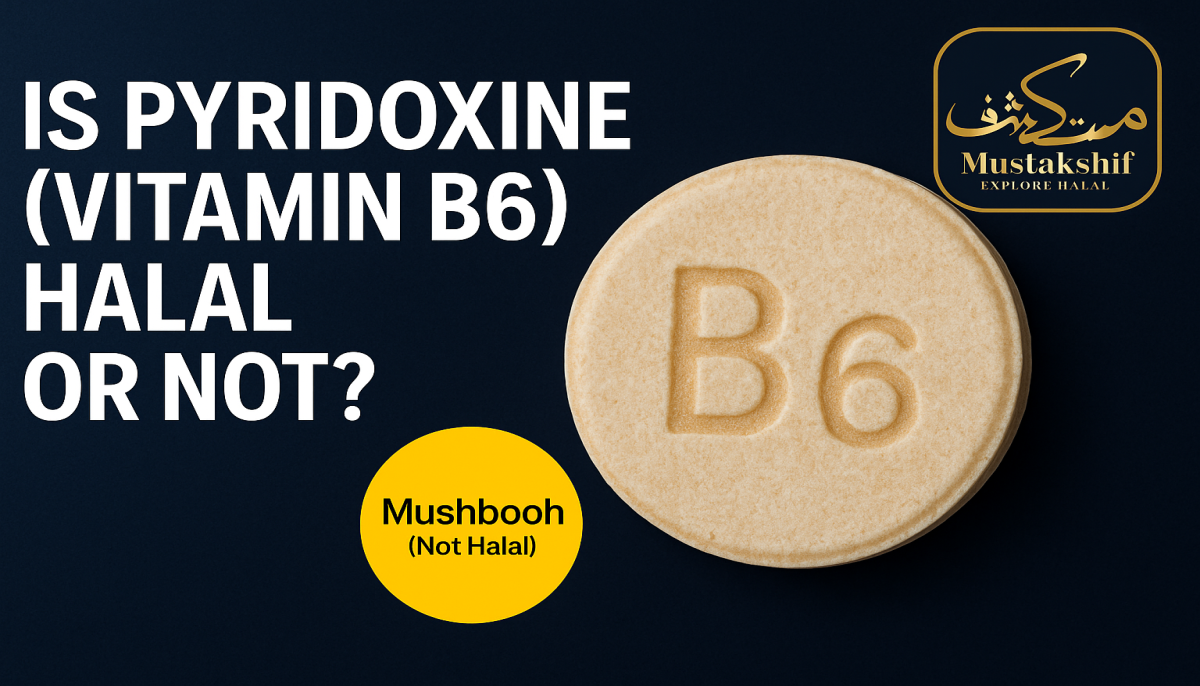
According to Mustakshif Shariah Board, pyridoxine is listed as mushbooh. This uncertain status stems from how it’s manufactured. If the production process involves questionable materials or enzymes, its permissibility under Islamic law becomes doubtful. Not all production methods meet halal standards, which raises concerns for those who observe strict dietary practices.
Fatwas and religious guidance
Few fatwas directly address pyridoxine, but scholars generally advise caution. When the source and production method are halal-certified, it’s usually considered permissible. Otherwise, it remains in doubt. Careful verification is advised before consumption.
What is pyridoxine, and why does it matter?
Vitamin B6, also known as pyridoxine, is a water-soluble vitamin vital for maintaining overall health. It is one of the eight B-complex vitamins and plays an important role in converting food into energy, regulating brain chemicals, and supporting the production of hemoglobin. Alternative names for vitamin B6 include pyridoxol and 4,5-bis(hydroxymethyl)-2-methylpyridine.
How is pyridoxine made, and where is it found?
This ingredient is classified as a dietary supplement. Naturally, it’s present in several everyday foods. Chicken, turkey, tuna, salmon, potatoes, bananas, chickpeas, and fortified cereals all contain it. Industrially, pyridoxine can be produced in two ways. One approach uses chemical synthesis from a compound called pyridine. The other relies on fermentation using yeast or bacteria. Both methods produce identical end products, although their acceptability may vary depending on religious standards.
How is it used in the food and health industries?
Pyridoxine is added to processed foods to increase their nutritional value. This helps prevent deficiency, particularly in people with limited diets. It also supports normal brain function, promotes healthy metabolism, and aids in the development of red blood cells. It’s commonly included in dietary supplements and multivitamins as a daily boost for general health.
Wrap-up
Pyridoxine plays a key role in health and nutrition. However, those following halal diets should investigate their source. Knowing how it’s made helps people make informed, faith-aligned decisions.