Mustakshif Shariah Board Rulings on Tocopherol (vitamin E)
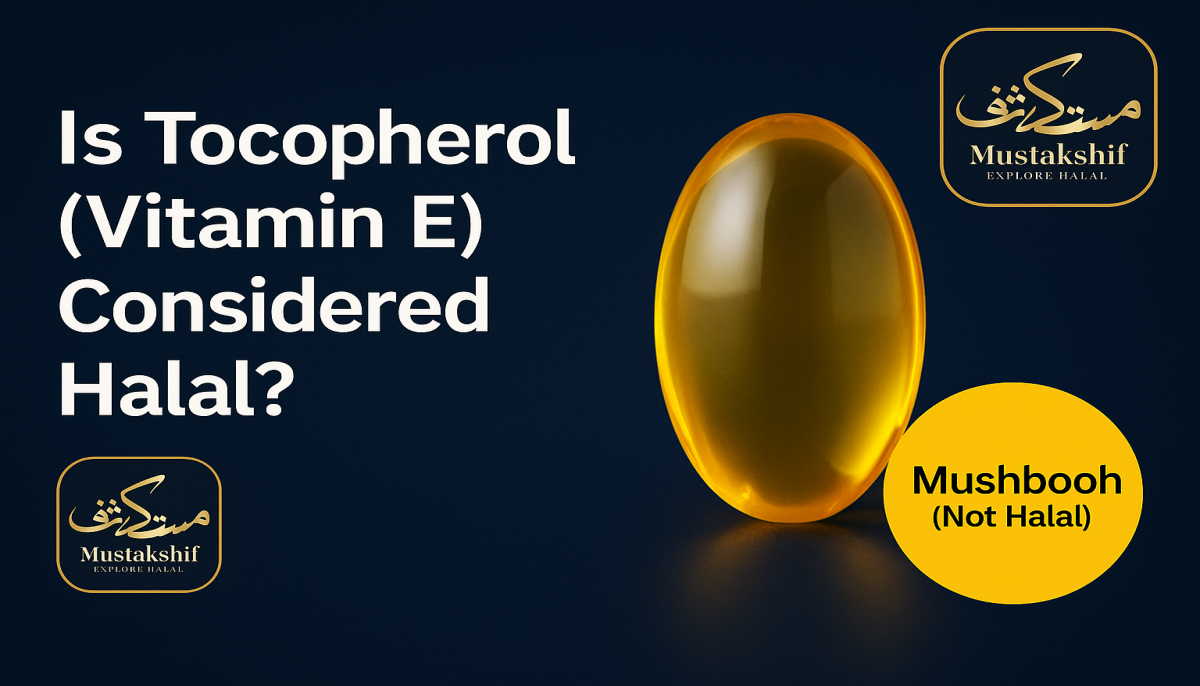
According to Mustakshif Shariah Board, Tocopherol (vitamin E) is considered mushbooh, meaning doubtful. When sourced naturally, especially from plant-based oils, concerns are minimal. Issues arise from synthetic variants, particularly due to chemical sources that may involve alcohol or non-halal compounds in their production.
Transparency in labelling and sourcing is vital for halal compliance. Hence, without confirmed halal-certified synthetic methods, tocopherol remains under scrutiny.
Religious guidance and rulings
No prominent fatwas specifically address tocopherol in detail. However, scholars often urge caution with chemically synthesised additives unless certified halal. Muslim consumers are advised to seek clarity from manufacturers or rely on products with known halal certification.
Understanding tocopherol in everyday use
Tocopherol, more widely recognised as vitamin E. This fat-soluble compound supports shelf life and product integrity. Its purpose is to protect oils and fats from spoilage. Names such as alpha-tocopherol, beta-tocopherol, gamma-tocopherol, and delta-tocopherol refer to their various forms, each contributing unique antioxidant effects.
Source and production routes
This ingredient falls under the antioxidant and nutritional supplement category. The natural form is gathered from common pantry staples—sunflower oil, safflower oil, almonds, spinach, and avocado. Manufacturers obtain it by extracting oil components physically or chemically.
Alternatively, laboratory-made tocopherol originates from petrochemical substances. This synthetic version is made by reacting phytol with 2,4-dimethylphenol—a process that raises some ethical and dietary questions.
Practical applications across industries
Tocopherol preserves the freshness of edible items by preventing fat spoilage. Its ability to delay rancidity is highly valued in packaged foods.
Within cosmetics, its benefits extend beyond preservation. It supports skin hydration and provides a protective barrier against free radicals, commonly appearing in creams, lotions, and serums.
Conclusion
Tocopherol holds undeniable value in food and skincare. Its antioxidant strength protects both product quality and skin health. Yet the uncertainty around synthetic production methods calls for careful consideration, especially for halal-conscious individuals. Verifying its source remains the key to confident consumption.