Mustakshif Shariah Board Rulings on Vegetable Glycerine
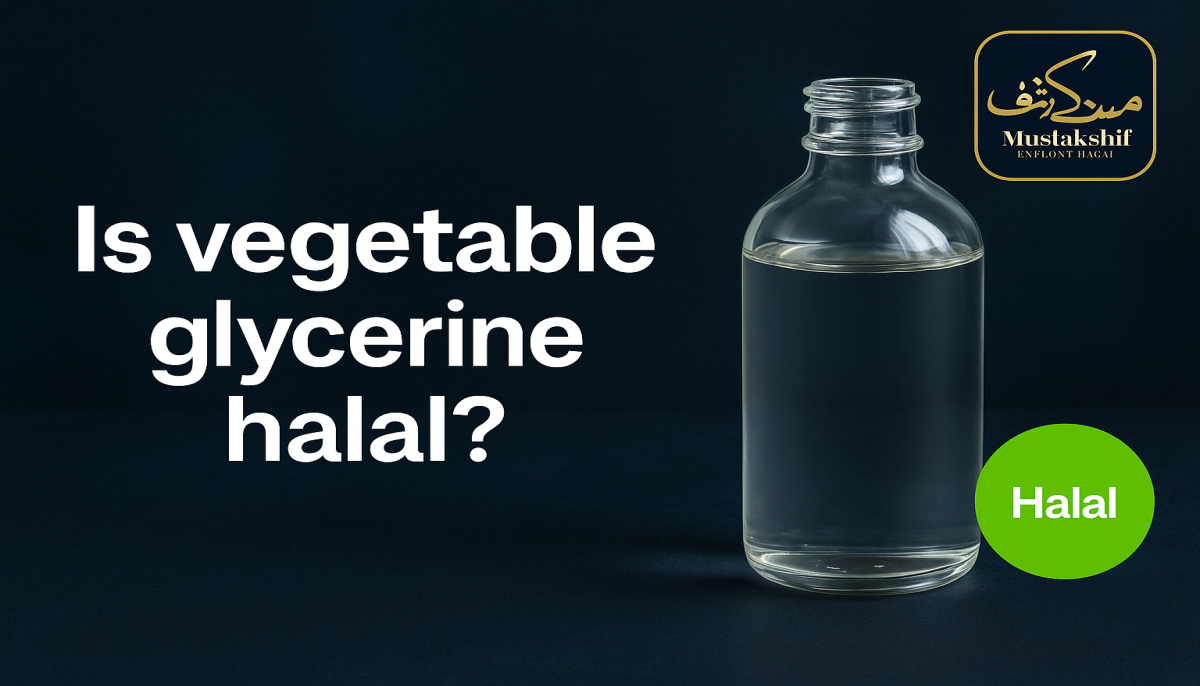
According to Mustakshif Shariah Board, vegetable glycerine is considered halal. Since its source is entirely plant-based and the process of extraction does not involve any animal-derived or forbidden substances, it complies with Islamic dietary laws. The absence of alcohol or questionable processing methods confirms its permissibility.
Religious guidance and fatwas
Vegetable glycerine derived from plants has been confirmed to be halal by numerous academics and halal-certifying agencies. It is widely accepted in Muslim communities around the world and has not caused any worries due to its natural nature and clean manufacture.
What is vegetable glycerine?
Vegetable glycerine, also called glycerol or glycerin, is a multi-purpose liquid. It has a naturally sweet flavour and is completely odourless. Commonly used in food and personal care products, it functions as a humectant, solvent, and mild sweetener. It is considered a natural compound rather than an additive with regulatory classification.
Where does it come from?
Sourced from plant oils like palm, soy, or coconut, this ingredient is entirely plant-based. Classed as a sugar alcohol, its primary role in manufacturing begins with natural fats. Through hydrolysis, triglycerides break apart, releasing glycerol and fatty acids. Once isolated, the glycerol is carefully filtered and purified, resulting in the final, usable form of vegetable glycerine.
How it’s used in daily products
It effectively retains moisture, balances texture, and prolongs freshness in food production. Because of its gentle sweetness and softening qualities, it is commonly used in baked goods, drinks, and confections. Because it preserves quality in both dry and wet conditions, manufacturers appreciate it. With its moisturising and solvent properties, it is frequently found outside of food in skin care, medications, and hygiene items.
Final thought
Vegetable glycerine stands as a versatile, plant-based ingredient trusted in many sectors. Whether added to food for texture and moisture or used in skincare for hydration, its function is both practical and safe. Being halal-certified enhances its appeal to consumers seeking permissible and reliable products.