Mustakshif Shariah Board Rulings on Vitamin B12 or Cobalamin
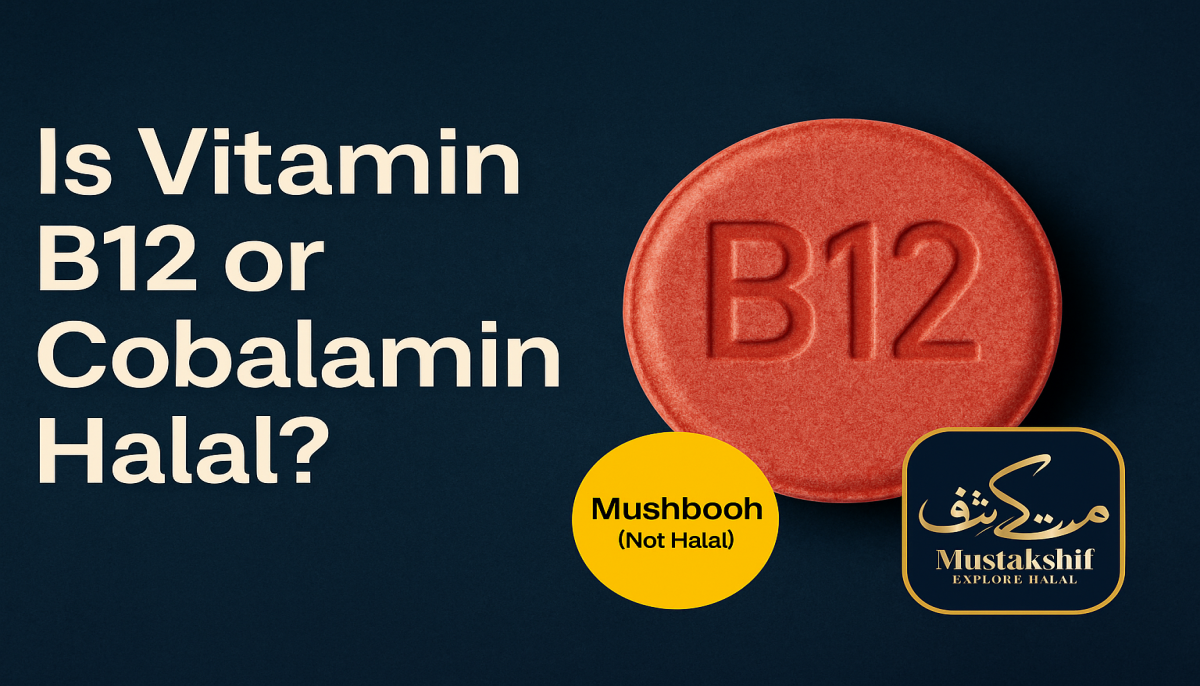
According to Mustakshif Shariah Board, Vitamin B12 or cobalamin is considered mushbooh, meaning questionable or uncertain. While the nutrient itself can be produced through microbial means, the concern often lies in the use of carriers or extraction methods involving alcohol or animal-derived enzymes during processing. Consumers are advised to seek halal-certified supplements or consult religious guidelines when uncertain.
Scholarly insights and fatwa positions
No widely recognised fatwa universally deems cobalamin halal or haram. Islamic authorities advise caution unless the origin and processing method are verified as halal. Some scholars accept it when derived through plant-based fermentation without alcohol.
What exactly is cobalamin?
Cobalamin is a member of the B-vitamin family and is formally referred to as vitamin B12. It is soluble in water and essential for DNA synthesis, red blood cell production, neuron upkeep, and brain function. This compound is referred to by various names, like cyanocobalamin, methylcobalamin, hydroxocobalamin, and adenosylcobalamin. It’s a common nutritional term in supplements and fortified food products. Unlike other B vitamins, the body stores cobalamin in the liver, ensuring a reserve for long-term use.
Where does it come from?
Cobalamin is mostly found in animal-based foods, including fish, dairy, poultry, eggs, and meats, especially liver. Non-dairy milk and fortified breakfast cereals are common sources of nutrients for vegetarians. Since plants don't naturally contain cobalamin, it is added to some diets to make up for this deficiency. The production of vitamin B12 for commercial use usually depends on bacterial fermentation using certain strains that produce the vitamin, which is subsequently stabilised and purified in supplement or additive form.
Uses across industries and how it functions in food
Food manufacturers include cobalamin to fortify products like cereal, energy drinks, and plant-based milk. The primary aim is to help prevent bB12deficiency, which can cause fatigue, nerve damage, and memory loss. In pharmaceuticals, it’s offered in supplement form and sometimes injected for individuals with absorption issues. The livestock sector includes it in feed to support healthy animal growth and productivity.
Final thoughts
Cobalamin is vital for life, but murky in status for those following strict dietary laws. Consumers are urged to check labels and, where possible, request source verification from producers.