Mustakshif Shariah Board Rulings on Taurine
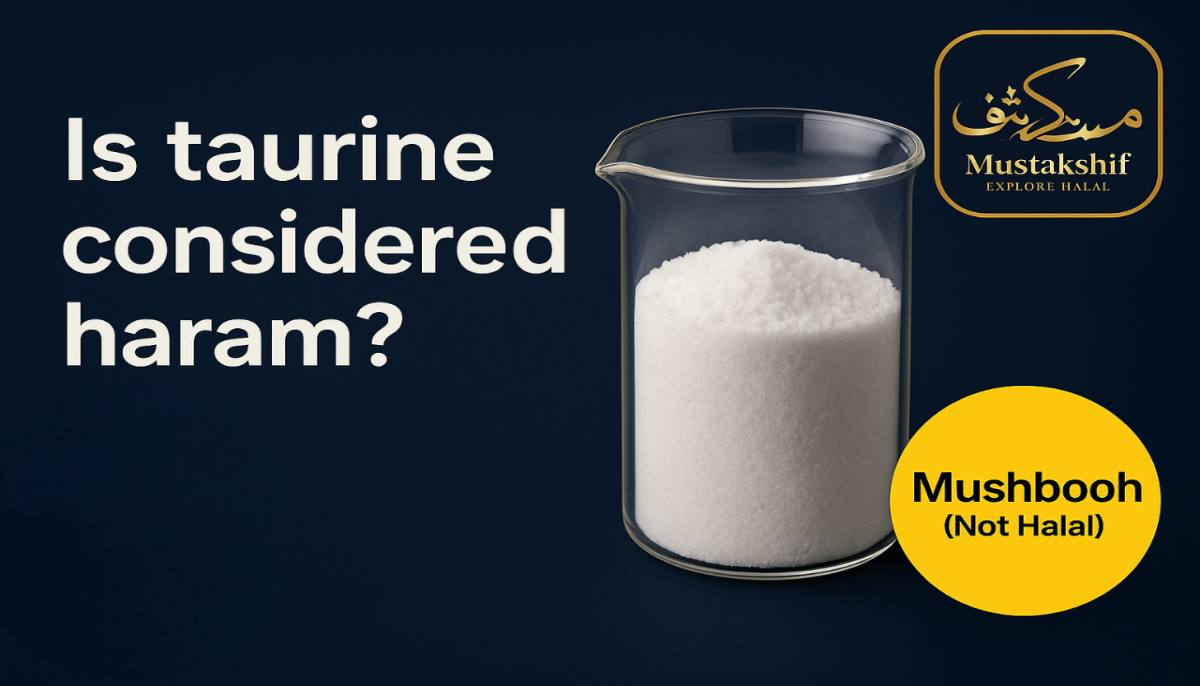
According to Mustakshif Shariah Board, Taurine is considered mushbooh, meaning its permissibility remains uncertain. The ambiguity stems from two factors: its frequent association with animal-derived sources and the complex chemical synthesis process, which may or may not involve non-halal substances. Without clear transparency from manufacturers regarding the origin or production specifics, its classification remains unclear.
Religious opinions and rulings
Some scholars advise caution unless the source is clearly stated as synthetic and free from animal origin. Most halal-certifying bodies recommend verifying the production process before consumption. There are differing fatwas on taurine, but generally speaking, when the origin cannot be verified, avoidance is advised.
Understanding taurine and its role
Taurine is a bioactive compound, often referred to as a "conditionally essential" amino sulfonic acid. Although it shares similarities with amino acids, structurally, it stands apart. Taurine is simply known by its scientific name. Lacking common synonyms, its identification remains consistent across all sectors.
Sourcing and formation methods
This ingredient exists naturally in animal-based products like meat, seafood, and dairy. Vegetarians and vegans often rely on supplements due to their limited presence in plant-based diets. In commercial production, taurine is created synthetically through chemical reactions involving ethylene oxide and sulfur dioxide. The method includes several stages, typically beginning with cysteine as a base molecule.
Uses across industries
Taurine is frequently added to energy drinks, nutritional supplements, and pharmaceutical formulations. In food and beverages, it supports hydration, mental clarity, and stamina. It also contributes to the maintenance of electrolyte balance, making it a popular addition to performance-enhancing formulas.
Final remarks
Taurine is still a valuable element in the pharmaceutical, beverage, and health sectors. Customers who are worried about halal dietary standards, however, ought to look for goods that contain certified halal sources or validated synthetic taurine. Although manufacturers' transparency may change its classification, its mushbooh status now encourages caution.